Our master bedroom used to just be where we slept — nothing personal about it, just a bed and two mismatched lamps. A weekend of small changes later, it’s genuinely the room I look forward to at the end of a long day. Here are 10 ideas from that, and a few I’ve picked up since.
Table of Contents
- Layer Neutral Tones for a Calm Master Bedroom
- Add a Statement Headboard to Your Master Bedroom
- Mix Textures for a Cozy Master Bedroom Feel
- Use Warm Lighting in Your Master Bedroom
- Create a Reading Nook in the Master Bedroom
- Choose a Soft Color Palette for the Master Bedroom
- Add Natural Elements to Your Master Bedroom
- Use Symmetry for a Balanced Master Bedroom
- Bring in Vintage Charm for Your Master Bedroom
- Add Personal Touches to Complete the Master Bedroom
1. Layer Neutral Tones for a Calm Master Bedroom
This is where we started too — warm white walls with a slightly deeper taupe on the bedding, nothing flat or one-note. Think warm whites, soft beige, and gentle taupe layered together instead of one flat color. This approach never feels boring because you’re mixing shades and materials, not just painting a wall and calling it done. A neutral base also makes it easy to swap accent pillows or throws whenever you want a small refresh without redoing the whole room.

The trick to making neutrals feel rich instead of flat is texture. Pair a linen duvet with a wool blanket and a velvet lumbar pillow so your eyes and hands notice the difference between materials. Add a jute rug under the bed to ground the space and break up all that softness with something slightly rougher. Keep furniture in matching warm wood tones so nothing feels disconnected. This layered neutral look works in almost any home style, from modern to farmhouse.
2. Add a Statement Headboard to Your Master Bedroom
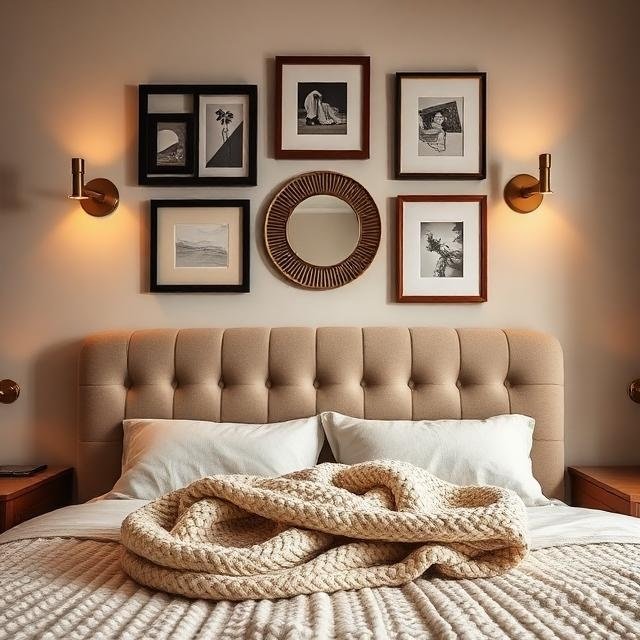
Swapping our plain metal frame for an upholstered headboard was a bigger transformation than I expected from one piece of furniture. Upholstered headboards in curved shapes or channel-tufted designs instantly make a bed feel like the star of the room. Choose a fabric like boucle, velvet, or linen depending on the mood you want, cozy and soft or sleek and elegant. A tall headboard also draws the eye upward, which makes low-ceiling rooms feel more spacious than they actually are.

If you already have a headboard you love, consider giving it a fresh update with new fabric or paint instead of replacing it completely. Pairing a statement headboard with simple, uncluttered nightstands keeps the focus exactly where it should be. Avoid busy patterns nearby since the headboard itself is already doing the visual work. A single piece of wall art centered just above the frame can complete the look without competing for attention.
3. Mix Textures for a Cozy Master Bedroom Feel
A chunky knit blanket over plain cotton sheets sounds small, but it’s the detail that stops our room from feeling flat. A smooth cotton sheet under a chunky knit blanket, paired with a woven rattan bench at the foot of the bed, gives your eyes multiple places to rest. Texture prevents a monochrome room from feeling cold or sterile, which is a common mistake people make when sticking to one color family. Even small details like a fluffy sheepskin rug near the bed add warmth instantly.

Curtains play a bigger role in texture than most people realize. Heavy linen drapes soften a room’s acoustics and add a slightly rumpled, relaxed look that feels intentional rather than messy. Combine that with a smooth leather bench or a woven basket for extra storage, and the room starts to feel curated instead of thrown together. Layering three or more textures per room is a simple rule that designers use again and again for this exact reason.
4. Use Warm Lighting in Your Master Bedroom
We lived with harsh overhead light for way too long — swapping to warm bedside lamps changed the whole mood of the room almost instantly. Swap out any harsh overhead bulbs for warm-toned lamps placed on both nightstands for a softer glow. Dimmer switches are a small investment that make a huge difference, letting you go from bright morning light to a relaxed evening mood in seconds. A floor lamp in the corner adds another light source without taking up nightstand space.

Layering light sources at different heights, like a table lamp, a floor lamp, and soft ceiling lighting, creates depth instead of one flat wash of brightness. Candles or a small plug-in diffuser with a flickering light setting can add extra warmth for evenings when you want the room to feel especially calm. Avoid cool white bulbs in the bedroom since they tend to feel more like an office than a place to unwind. Warm amber tones almost always feel more inviting.
5. Create a Reading Nook in the Master Bedroom
A small chair by our window turned an unused corner into where I actually end up most evenings, book in hand. Even a compact armchair with a soft throw blanket and a small side table can turn an unused corner into your favorite spot in the house. Choose a chair with a slightly curved back for comfort and pair it with a simple floor lamp so you don’t strain your eyes at night. A short bookshelf nearby keeps your favorite reads within arm’s reach.

Adding a small rug underneath the chair helps define the nook as its own little zone, separate from the main sleeping area. A woven basket beside the chair works well for extra blankets or magazines without cluttering the surface. Natural light during the day makes this spot ideal for morning coffee, while a warm lamp turns it into a peaceful evening escape. This idea works especially well in larger master bedrooms with awkward empty corners.
6. Choose a Soft Color Palette for the Master Bedroom
We went with a muted sage on one wall instead of committing to color everywhere, and it still reads as calming without overwhelming the room. Soft, muted tones like sage green, dusty blue, or warm terracotta create a relaxing atmosphere without overwhelming the senses. These colors work beautifully on an accent wall or through bedding and curtains if you’re not ready to commit to paint. Keep the rest of the room in neutral shades so the color feels like an accent, not the whole show.

Test your chosen color at different times of day before committing, since natural light changes how a shade appears from morning to evening. A dusty blue that looks calming at noon might feel slightly cold under evening lamp light, so balance it with warm wood tones and soft textiles. Pairing a soft palette with brass or gold hardware adds a touch of elegance without making the room feel overly formal. This balance between color and neutral tones is what makes a bedroom feel finished.
7. Add Natural Elements to Your Master Bedroom
A snake plant in the corner was a low-effort addition, but it’s done more for the room’s “life” than most of the decor we bought. A large leafy plant in the corner, like a fiddle leaf fig or a snake plant, adds both color and texture without any real maintenance effort. Wooden furniture with visible grain, rattan accents, and stone-based decor pieces all connect the room back to the outdoors in a subtle way. Even a small vase of dried branches on the dresser adds an organic touch.

Natural materials also tend to age beautifully, unlike some synthetic finishes that can look dated within a few years. A woven wall hanging or a rattan mirror frame brings in texture while staying true to this earthy theme. Keep plant placement near a window with indirect light so greenery thrives without extra fuss. This idea pairs especially well with the neutral and soft color palette ideas mentioned earlier, creating a cohesive, grounded feel throughout the room.
8. Use Symmetry for a Balanced Master Bedroom
Matching lamps on both nightstands was such a simple fix, but it’s what finally made the room feel put-together instead of thrown in. Matching nightstands, identical lamps, and mirrored artwork on either side of the bed give the room a polished, intentional look. This approach works especially well in larger bedrooms where an unbalanced layout can make the space feel scattered or unfinished. Even matching curtain panels on either side of a window reinforce this balanced feeling.

While full symmetry works beautifully, adding one slightly asymmetrical element, like a single oversized plant or an accent chair on one side, keeps the room from feeling too rigid or showroom-like. This small contrast makes the space feel lived-in rather than staged. Symmetry also makes small bedrooms feel more organized since your eye naturally settles rather than jumping around the room. It’s a simple layout rule that instantly upgrades the overall look.
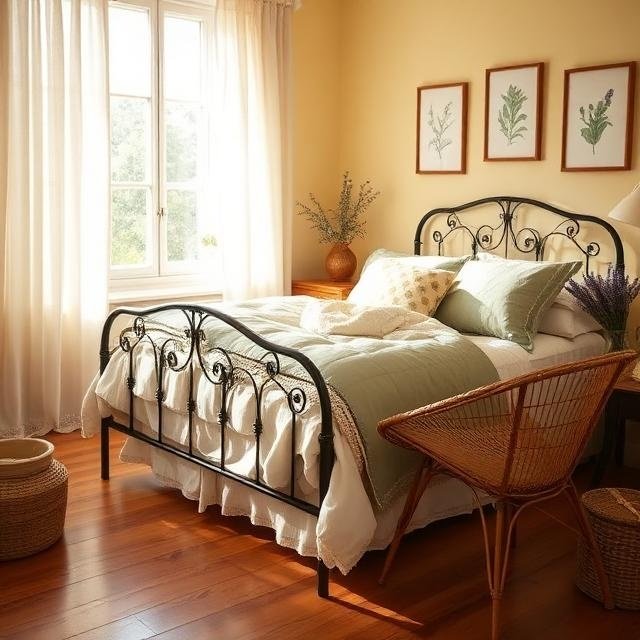
9. Bring in Vintage Charm for Your Master Bedroom
An old wooden dresser with the original brass handles still on it is easily my favorite piece in the whole room. An antique wooden dresser with brass handles, a slightly worn leather bench, or an old-world mirror with a carved frame can become the focal point of the room. These pieces carry a story with them, which makes a space feel collected over time rather than bought all at once from a single store. Thrift stores and estate sales are great places to find these unique finds affordably.

Balance vintage pieces with a few modern touches, like clean bedding or simple lighting, so the room doesn’t feel like it’s stuck in the past. A vintage rug in muted tones grounds the space while still allowing other elements to shine. Mixing eras this way, old dresser paired with modern lamps, creates a room that feels curated and personal instead of like a themed set. This is one of the most charming master bedroom ideas for anyone who loves character-filled spaces.
10. Add Personal Touches to Complete the Master Bedroom
A couple of framed travel photos on the dresser are the only thing in the room that isn’t really “decor,” and they’re what I actually notice every morning. Framed photos, a small gallery wall, or a favorite piece of art above the dresser turns a beautifully styled room into a space that actually reflects who lives there. Scented candles in your favorite fragrance or a small tray with jewelry and perfume bottles add both function and personality to the nightstand or dresser top. These small details are what people notice and remember most.

Avoid cluttering every surface, since too many personal items can undo all the calm you’ve worked to create. Choose a handful of meaningful pieces instead, like a travel souvenir, a favorite book, or a plant someone gave you, and give each one room to breathe. Rotating these items seasonally keeps the space feeling fresh without a full redesign. Ultimately, the best master bedroom ideas combine good design with pieces that genuinely make you smile every time you walk in.
None of this happened for us in one weekend — the headboard came first, the lighting came later. Start with whichever idea feels easiest and let the room grow from there. You can also explore more design inspiration directly on Home Emuse.