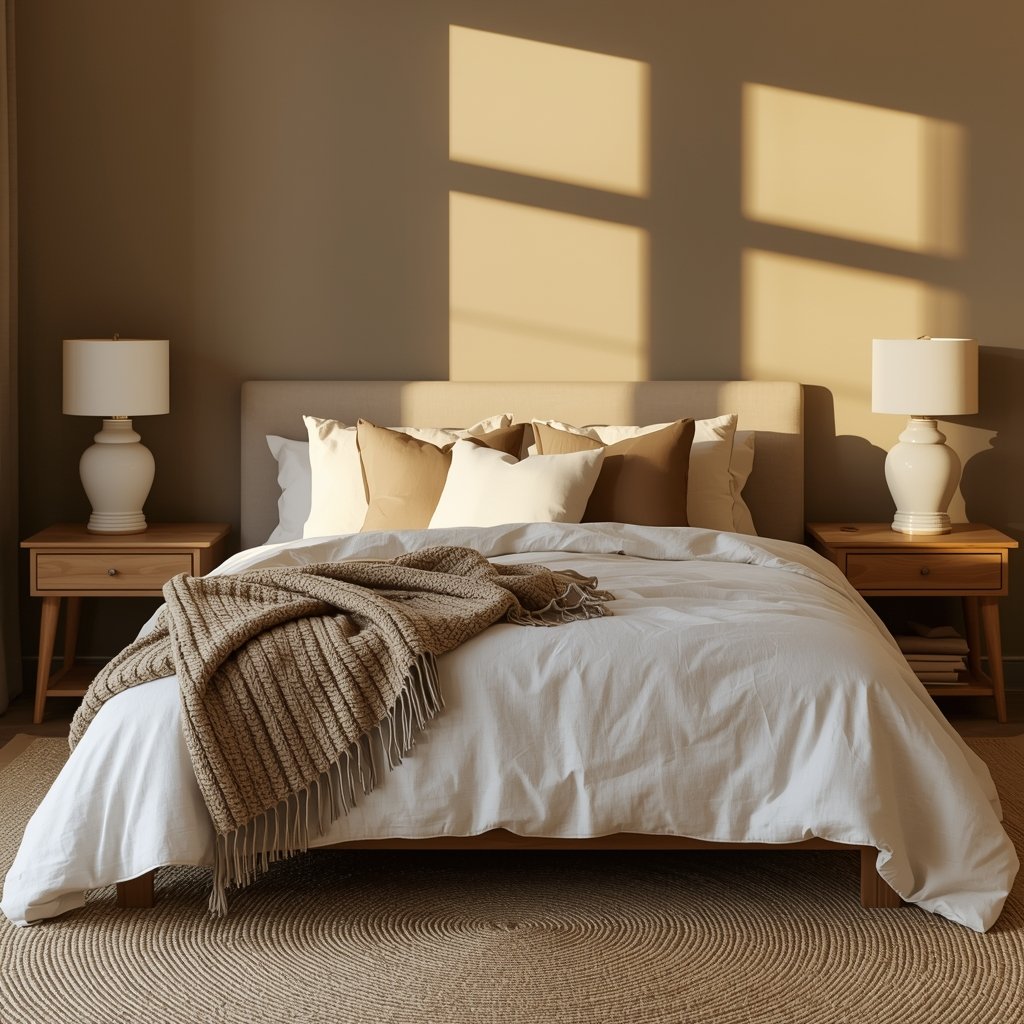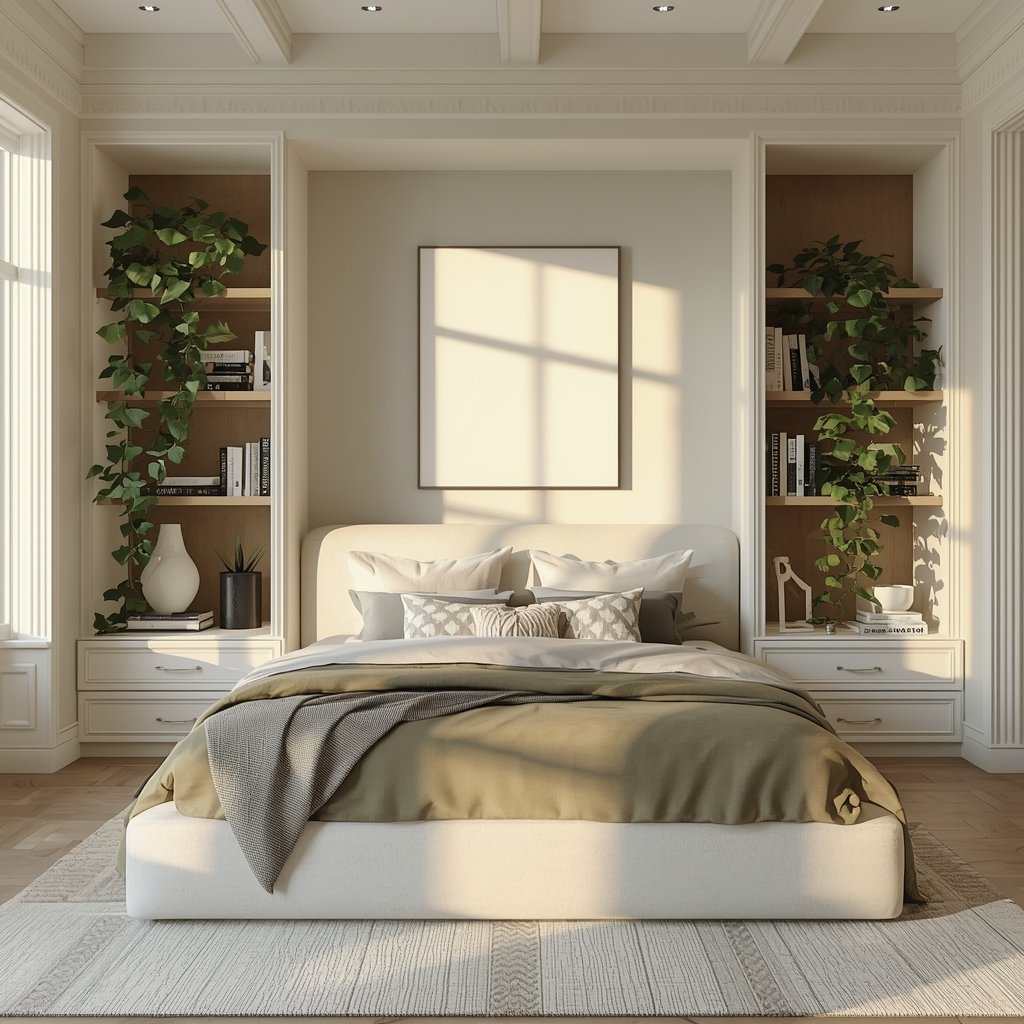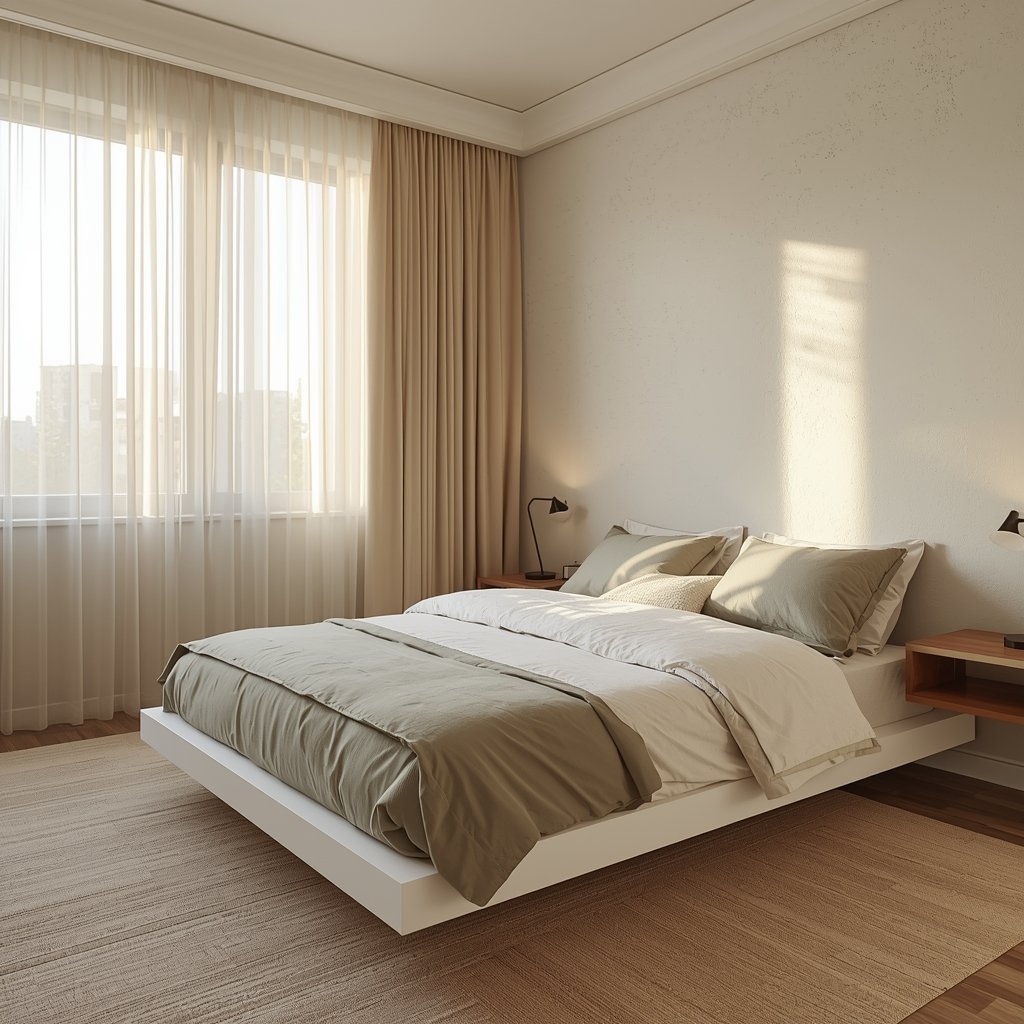
You do not need a large bedroom to have a beautiful one. Some of the most stunning, cozy, and well-organized bedrooms in the world are compact spaces that were designed with intention. If you are working with a tiny room and wondering how to make it feel bigger, more functional, and genuinely lovely — this guide is exactly for you.
1. Use a Low-Profile Bed to Open Up Visual Space
One of the easiest and most impactful changes you can make in a small bedroom is swapping out a bulky bed frame for something low to the ground. A low-profile platform bed visually lowers the ceiling line, which actually makes the room feel wider and more open rather than cramped. The eye travels across the room instead of getting caught on heavy furniture. Pair it with clean-lined bedding in a neutral palette — soft whites, warm taupes, or muted sage — and the whole room immediately feels more intentional and airy. This is one of those changes that costs relatively little but transforms everything.
Beyond aesthetics, a low bed also creates more visual breathing room above the mattress, which is especially valuable in rooms with lower ceilings. Layer your bedding with a mix of textures — a linen duvet, a chunky knit throw, and two or three pillows in varying sizes. Keep the color palette tight and cohesive. Add a slim wooden nightstand or a simple wall-mounted shelf beside the bed to avoid eating up floor space. The result is a bedroom that feels curated, calm, and surprisingly spacious.
2. Mount Your Nightstands on the Wall
Floor space is the most precious currency in a small bedroom, and traditional nightstands eat into it more than you might realize. Wall-mounted floating shelves or small floating bedside tables are a game-changing alternative. They give you all the surface area you need for a lamp, a book, and your phone charger — without a single furniture leg touching the floor. The visual effect is immediate. The floor appears more continuous, the room feels less cluttered, and the whole space reads as larger and more open. Choose shelves in a warm wood tone to add natural warmth, or go with painted MDF in the same color as your walls to make them almost disappear.

The key to making floating nightstands work beautifully is in the styling. Keep them lightly decorated — a small lamp with a warm bulb, a tiny plant or a candle, and perhaps one or two small objects that feel personal. Resist the urge to pile things on them. The simplicity is the point. For lighting, wall-mounted sconces above or beside the shelves are an even better option because they free up the shelf surface entirely. Choose sconces with a warm 2700K bulb to create that soft, amber evening glow that makes every small bedroom feel like a sanctuary.
3. Paint the Walls and Ceiling the Same Color
Most people instinctively reach for white when they want to make a small room feel bigger. And while white absolutely works, there is another trick that designers use constantly in compact spaces — painting the walls and the ceiling the exact same color. This technique blurs the boundary between the walls and the ceiling, which makes the room feel taller, more enveloping, and surprisingly expansive. It works especially well with soft, muted tones like dusty blue, warm clay, sage green, or pale mushroom. The room stops feeling like a box and starts feeling like a considered, immersive space.
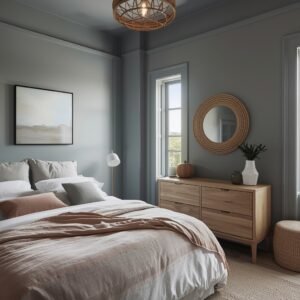
The magic of this approach is that it draws the eye upward and around, rather than stopping it at hard transitions between surfaces. To keep the look from feeling flat or heavy, layer in texture through your bedding, curtains, and decor. A chunky linen duvet, a woven rattan mirror, and wooden furniture all add warmth and dimension without competing with the wall color. Keep trim work in the same tone or just one shade lighter for a seamless look. This is one of the most affordable design moves you can make, and it genuinely changes how a room feels within minutes of the paint drying.
4. Install Floor-to-Ceiling Curtains to Fake Height
Curtain placement is one of those design details that most people get wrong in small spaces, and fixing it costs almost nothing. If your curtain rod is mounted just above the window frame, the room visually stops at that point. But when you mount the rod as close to the ceiling as possible — or even directly on the ceiling — and let the curtains fall all the way to the floor, the entire wall feels taller. The eye follows the vertical line of the fabric straight up, and the room suddenly feels like it has much more height than it actually does. This works in any size window and any style of bedroom.
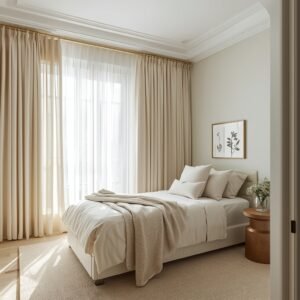
For small bedrooms, choose curtains in a light, breathable fabric like sheer linen, cotton voile, or softly woven cotton in a color close to your wall. This keeps the look airy rather than heavy. If you want to add a touch of depth, a very subtle pattern — thin stripes or a soft tone-on-tone texture — can add interest without overwhelming the space. Make sure the curtain panels are wide enough to stack neatly to the sides of the window when open, fully exposing the glass and allowing maximum light in. Light is your best ally in a small bedroom, and the right curtains can either block it all or frame it beautifully.
5. Choose a Bed With Built-In Storage Underneath
In a very small bedroom, every piece of furniture needs to earn its place, and a bed with built-in storage underneath is one of the hardest-working pieces you can invest in. Storage beds come in several styles — some have lift-up bases that open to reveal a large compartment beneath the mattress, while others have built-in drawers that slide out from the sides or the foot of the bed. Either option can replace the need for a dresser, freeing up significant floor space and reducing visual clutter in the room. It is a practical choice that also looks completely seamless from the outside.
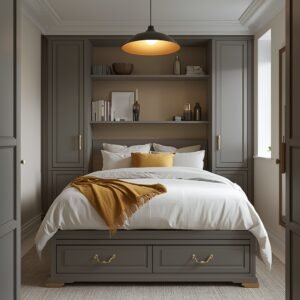
When styling a storage bed, the goal is to make it look as beautiful and intentional as any other bed in the room. Choose an upholstered frame in a neutral tone like soft grey, warm beige, or classic white to keep it feeling light. Layer the top with quality bedding — a European linen duvet, a few textured pillows, and a folded throw at the foot. If the bed has visible drawer fronts, look for clean-lined hardware in brushed brass or matte black to give it a polished finish. Keep the area around the bed clear and simple so the whole setup feels open and organized rather than functional and clinical.
6. Use Mirrors Strategically to Double the Space
A well-placed mirror in a small bedroom is not just a functional object — it is one of the most powerful visual tools in interior design. Mirrors reflect light and space, and when positioned correctly, they can make a compact room feel genuinely twice as large. The most effective placement is on a wall that faces or sits perpendicular to a window, allowing the mirror to catch and bounce natural light deep into the room. A large, leaning floor mirror in a corner is one of the easiest ways to add significant reflected space without committing to wall hanging. A full-length mirror on the back of the bedroom door is another clever option.
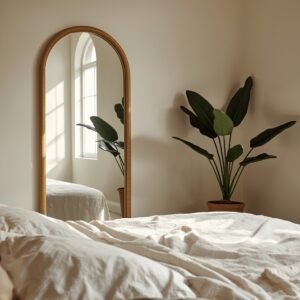
When choosing a mirror style for a small bedroom, consider the frame as part of your decor. A slim gold or brass frame feels elegant and light. A raw wood or rattan frame adds warmth and texture. An arched mirror shape adds architectural interest and softens the geometry of a boxy small room. For maximum effect, choose a mirror that is as large as the space will reasonably allow — a small mirror does not do nearly as much visual work as a large one. If your room is very narrow, a tall vertical mirror will emphasize height, while a wide horizontal mirror can make a room feel broader.
7. Build a Floating Desk Into the Wall for a Dual-Purpose Room
When a small bedroom also needs to function as a workspace, the biggest mistake is bringing in a freestanding desk that dominates the room. A floating wall-mounted desk solves everything at once. It takes up zero floor space, can be folded up or left as a fixed shelf, and when styled well, it disappears into the room rather than competing with it. Mount it at the right height for seated work — typically about 28 to 30 inches from the floor — and keep it narrow enough to not block circulation in the room. A 16 to 20-inch depth is usually sufficient for a laptop and a few work essentials.

The secret to making a floating desk feel intentional rather than utilitarian is in the styling. Paint or stain it to match your walls or your furniture. Add a slim wall-mounted shelf above it for books and a small plant. Use a sleek task lamp with an adjustable arm mounted to the wall rather than sitting on the desk surface. Choose a chair that tucks completely under the desk when not in use — a small wooden stool or a slim wishbone-style chair in a light wood tone works beautifully. When the work day ends, tuck everything away, and the corner transforms back into a peaceful bedroom retreat.
8. Go Vertical With Open Shelving for Storage and Display
When floor space is limited, the solution is almost always to go up. Tall, vertical open shelving that reaches toward the ceiling draws the eye upward, creates storage without taking up floor area, and gives you a surface to display things that make the room feel personal and lived in. In a small bedroom, floating open shelves beside or above the bed can replace a bulky bookcase and still hold books, plants, candles, small baskets, and bedside essentials. The key is restraint — open shelves need editing, or they quickly become clutter.

Style your shelves in a way that balances function and beauty. Group similar objects together, mix heights and textures, and leave some empty space on each shelf so the display breathes. A good rule of thumb is to keep roughly 30 percent of each shelf empty. Use small woven baskets to corral items that are not visually appealing — phone chargers, extra lip balm, the things you need but do not necessarily want to see. Choose shelving in a wood tone that complements your furniture for a cohesive feel, or go with white shelves against white walls for a seamless built-in look that adds storage without visual weight.
9. Choose Light-Colored Furniture That Blends With the Walls
Dark, heavy furniture in a small bedroom creates visual mass that the room cannot absorb without feeling crowded. Choosing furniture in light tones — white, natural oak, pale ash, washed pine, or soft cream — allows each piece to blend with the walls and floor rather than standing out against them. The result is a room where the eye moves smoothly across the space instead of stopping at each piece of furniture. This does not mean the room has to feel cold or minimal — layering warm textures and soft colors in your bedding and decor brings all the warmth you need.
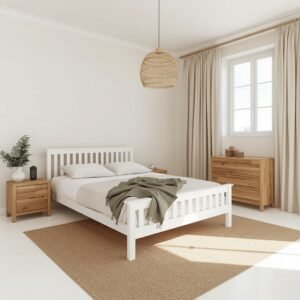
Consider choosing furniture with legs rather than pieces that sit directly on the floor. A bed frame with legs, a nightstand raised on thin tapered legs, or a small dresser elevated off the floor all expose more of the flooring underneath, which extends the visual plane of the floor and makes the room feel larger. Pair light furniture with warm natural textures — rattan accents, a jute area rug, woven baskets, and linen curtains — to keep the space feeling layered and inviting rather than sterile. This combination of light tones and natural materials is one of the most reliably beautiful approaches to small bedroom design.
10. Use an Accent Wall to Add Depth Without Clutter
An accent wall is one of the smartest tools in a small bedroom because it creates a focal point that draws the eye in a specific direction, giving the room a sense of depth and intention without adding any furniture or physical objects. The wall behind the bed is the natural choice. Paint it in a deeper or contrasting tone to the rest of the room — a warm terracotta against soft white walls, a deep forest green against pale grey, or a moody navy against a crisp linen backdrop. The accent wall grounds the bed as the centerpiece of the room and makes the space feel designed rather than simply decorated.

The accent wall does not have to stop at paint. Textured wallpaper, vertical wood paneling, limewash plaster, or a simple arrangement of framed artwork can all serve as an accent wall treatment that adds richness without consuming floor space. For very small rooms, keep the treatment to one wall only and keep the other three walls simple and neutral. Balance the boldness of the accent wall with soft, understated bedding and minimal decor elsewhere in the room. This contrast is what makes the accent wall sing rather than overwhelm. The room feels intentional, complete, and surprisingly spacious despite its size.
11. Maximize a Small Closet With Smart Interior Organization
In a very small bedroom, a disorganized closet spills chaos into the rest of the room. When you cannot fit a dresser, the closet becomes your only storage, which means its interior layout matters enormously. Investing in a simple closet organization system — even a basic one from a home goods store — can transform a single hanging rod into a layered storage solution with double-hang sections, shelves, drawers, and door organizers. The goal is to give every item a specific place so that nothing migrates out of the closet and onto your bedroom surfaces.
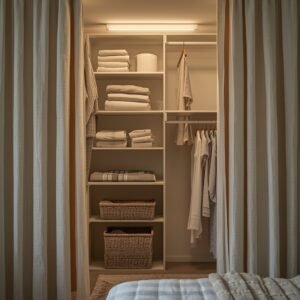
Beyond function, a well-organized closet can actually become part of your bedroom’s aesthetic. Keep your color palette cohesive by storing items in matching bins or baskets in natural tones. Add a small battery-powered LED light strip inside to make finding things easier in the morning. If your closet has doors, consider replacing them with curtain panels in a linen or cotton fabric that matches your bedroom palette — this softens the look and can actually make a closet feel like a built-in feature rather than an afterthought. A tidy closet that works hard behind the scenes makes the rest of your small bedroom feel effortlessly calm.
12. Layer Lighting to Create Zones and Ambiance
In a small bedroom, relying on a single overhead light is one of the most common design mistakes. Overhead lighting flattens a space and exposes every corner equally, which in a small room means there is nowhere to rest visually. Layered lighting — combining ambient, task, and accent sources — creates zones within the room that make it feel larger and more dynamic. A warm pendant or flush-mount ceiling fixture for general light, paired with bedside wall sconces or table lamps for reading, and perhaps a small lamp on a dresser or shelf for accent lighting, transforms the entire mood of the room.

The color temperature of your bulbs matters as much as the placement. For bedrooms, always choose warm white bulbs in the 2700K to 3000K range. These cast a soft amber-toned light that is flattering, calming, and makes textures look richer. Avoid cool white or daylight bulbs in the bedroom — they feel clinical and harsh in an intimate space. Consider adding a dimmer switch to your main overhead light so you can lower the intensity in the evening and create a soft, restful atmosphere. When all your lighting layers are working together at the right warmth and intensity, even the smallest bedroom feels like a luxurious retreat.
13. Bring in a Small Upholstered Bench at the Foot of the Bed
A small upholstered bench at the foot of the bed is the kind of detail that elevates a bedroom from functional to truly designed. In a small room, the key is choosing a bench that is proportional — no wider than the bed frame and slim in profile so it does not block circulation. This one piece of furniture serves multiple purposes: it gives you a place to sit while putting on shoes, it provides a surface to lay out tomorrow’s clothes, it adds visual weight and anchoring at the foot of the bed, and it introduces another texture and color opportunity into the room. It is also one of those pieces that photographs beautifully.
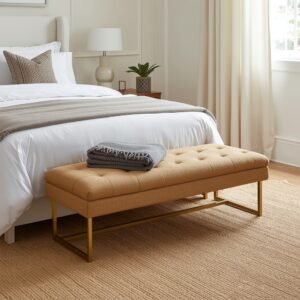
For a small bedroom, choose a bench with legs rather than one that sits flush to the floor, and opt for upholstery in a complementary but slightly contrasting tone to your bedding — if your bedding is soft white, a bench in warm camel leather, dusty velvet, or a woven boucle fabric adds depth without discord. Keep the bench surface lightly styled — a folded throw, a small tray, or simply left bare all work well. Avoid using it as storage for random items, which defeats the visual purpose. A slim, well-chosen bench makes the bed feel intentional and gives the room a complete, polished quality that is hard to achieve any other way.
14. Use Rugs to Define and Ground the Space
A rug in a small bedroom does something that paint and furniture cannot — it anchors the entire room and gives the space a visual center. Without a rug, a small bedroom can feel unfinished, like the furniture is floating with no connection to the floor. With the right rug, everything pulls together. The most common mistake in small rooms is choosing a rug that is too small. A rug that sits only under the front legs of the bed, or worse, only under the nightstands, fragments the room rather than unifying it. Aim for a rug large enough to extend at least 18 to 24 inches beyond both sides of the bed and the foot, so that your feet always land on soft fabric when you get up.

For small bedrooms, stick to rugs in softer, lighter tones — warm ivory, natural jute, soft grey, or pale blush. These keep the floor feeling open rather than heavy. A subtle texture or low-pile weave adds interest without visual noise. Avoid large, busy patterns that compete with your bedding and decor — in a small room, a bold rug can easily overpower everything else. If you love pattern, a very subtle geometric or a simple stripe in tonal colors works beautifully. The rug should feel like a foundation for the room, not the main attraction. When it works, it ties every other element together and makes the space feel genuinely complete.