There is something almost magical about the moment you decide to refresh your living room for spring. It is that quiet urge to open the windows, let the light in, and make your space feel as alive as the season itself. Whether you are starting from scratch or just nudging your existing decor in a new direction, these ideas will help you create a living room that feels genuinely fresh, warm, and beautifully put together.
1. Embrace the Soft Neutrals Reset
Spring decor does not have to mean bold color everywhere. In fact, some of the most beautiful spring living rooms lean into a palette of warm whites, creamy off-whites, and gentle sand tones that feel like a collective exhale after a long winter. Start by swapping out any heavy, dark throw pillows or blankets for lighter linen or cotton versions in ivory, oat, or barely-there blush. The goal here is softness, not starkness. Think of it as giving your room a deep breath.

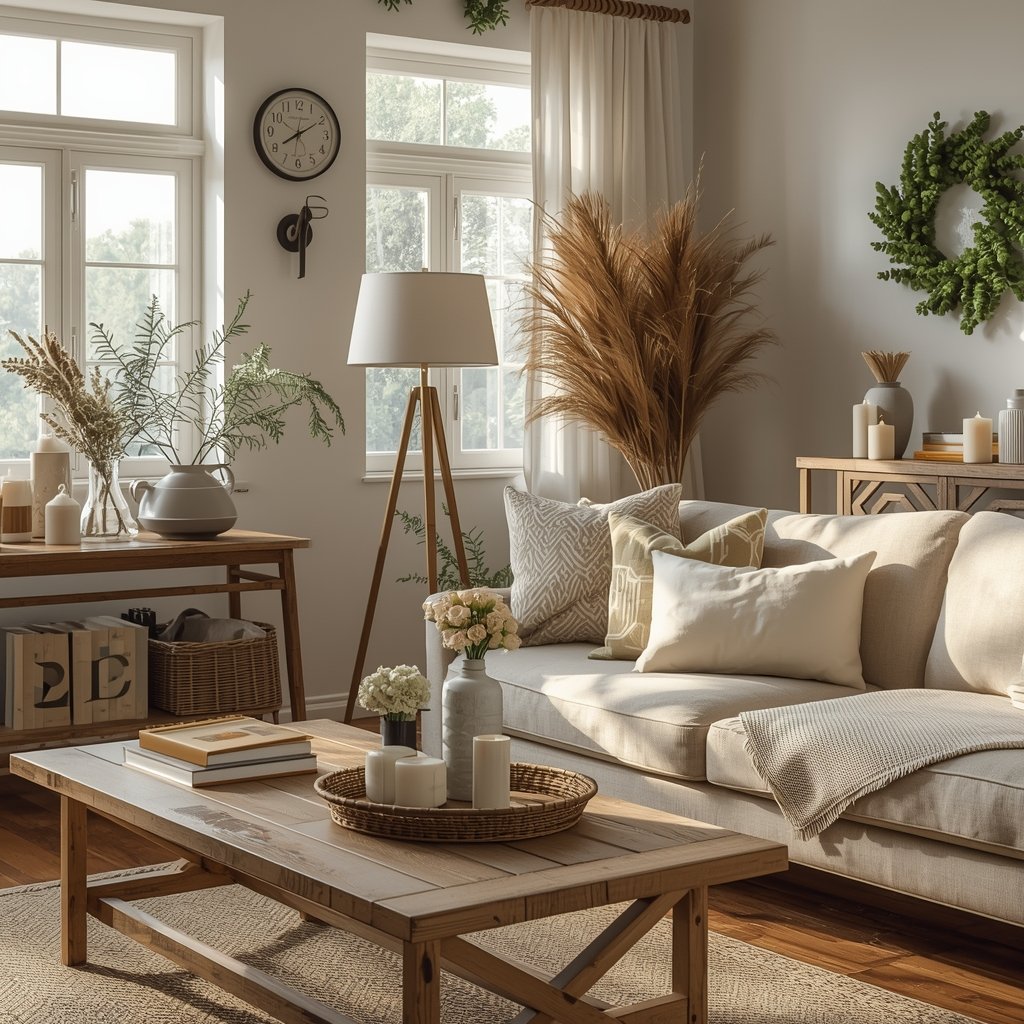
Layer those neutral tones with intention rather than just matching everything to the same shade. A cream sofa pairs beautifully with a caramel-toned wool throw casually draped over one arm. A sand-colored linen pillow next to a warm white one creates subtle visual depth without visual noise. Add a light natural wood tray on your coffee table and fill it with a simple white candle and a small bundle of dried pampas grass. The textures do all the work. The result feels effortlessly polished and genuinely restful.
To bring the whole soft neutral scheme to life, lighting is your quiet secret weapon. Swap out any cool-toned or bright overhead bulbs for warm LED alternatives in the 2700K range. Layer your lighting with a table lamp featuring a linen or rattan shade. When afternoon light hits a room dressed in warm neutrals, the entire space seems to glow from the inside. This is the kind of living room that makes you want to pour a cup of tea, sit down, and stay.
2. Bring the Outdoors In With Intentional Greenery
One of the easiest and most satisfying ways to signal spring in your living room is with living plants. Not just one plant tucked in a corner, but a considered grouping that makes greenery feel like an intentional design choice rather than an afterthought. A tall fiddle-leaf fig or olive tree near a window creates instant height and drama. Pair it with a trailing pothos on a shelf and a small cluster of succulents or herbs on the coffee table. Suddenly your room has layers, life, and a quiet connection to the natural world outside.

The containers your plants live in matter just as much as the plants themselves. Swap out plastic nursery pots for textured ceramic planters in earthy tones like terracotta, matte sage, or creamy white. Grouped planters in varying heights look intentional and designer-worthy without a big budget. If you are not confident with live plants, high-quality faux options in realistic leaf shapes and rich green tones can absolutely work, especially when mixed in with one or two real plants to keep the space feeling alive.
Beyond the obvious visual benefit, greenery actually changes how a room feels emotionally. There is research behind why plants make us feel calmer and more at home, and spring is the perfect season to lean into that. Position your largest plant near your primary light source and use smaller plants to create a visual trail toward the seating area. It subtly guides the eye and makes the room feel curated. Finish the look with a botanical print in a simple frame on the wall nearby to tie the nature theme together without overdoing it.
3. Layer Textures for a Cozy-Meets-Fresh Vibe
Spring is often assumed to mean light and minimal, but the most inviting spring living rooms actually have texture in abundance. The key is choosing textures that feel fresh rather than heavy. Think open-weave cotton throws, loose-knit linen cushion covers, jute and rattan accessories, and smooth glazed ceramics. These materials feel tactile and interesting without the visual weight of chunky winter knits or dark velvet. Texture is what separates a flat, forgettable room from one that looks like it belongs in a magazine.

Start with your foundational layer: the rug. A jute or sisal rug in a natural tone anchors the room with organic texture underfoot. Over that, your sofa becomes the next major texture decision. A bouclé or woven cotton sofa in a warm white or soft sage gives you a beautiful tactile base to build from. Then layer pillows in contrasting materials: a smooth linen pillow next to a slightly nubby cotton one, or a rattan-trimmed cushion alongside a plain woven cover. These small contrasts create visual richness that photographs beautifully.
Do not forget the vertical surfaces when you are thinking about texture. A woven wall hanging in neutral cream or warm tan adds dimension to an empty wall without the commitment of paint or wallpaper. A rattan mirror above a sideboard reflects light and introduces another layer of natural material. Even a stack of linen-covered books on the coffee table contributes to the overall tactile story of the room. When you step back and look at the whole space together, every element should feel considered, touchable, and cohesive.
4. Introduce a Spring Accent Color With Confidence
If you have been living with an all-neutral space and are ready to add some personality for spring, an accent color is the most satisfying way to do it. The spring color palette is rich and full of options: dusty sage, soft terracotta, powder blue, warm mauve, butter yellow, and even a muted coral. The trick is to pick one and carry it through the room in at least three different places so it feels like a design decision rather than a random splash of color. One pillow alone will look lost; three coordinated touches will look deliberate.
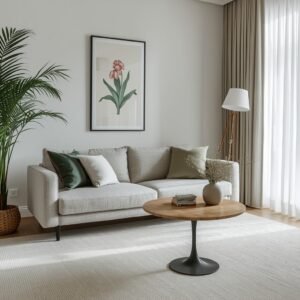
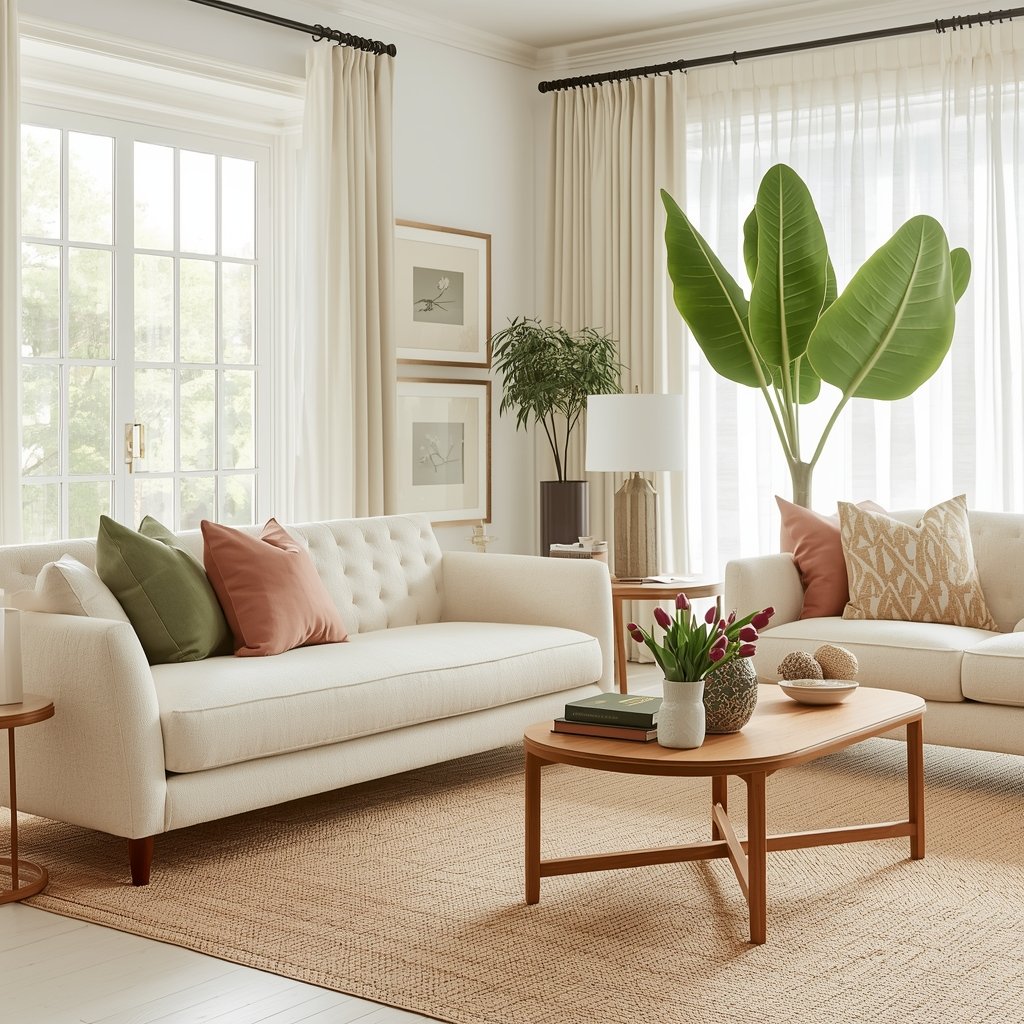
A dusty sage accent is particularly beautiful in spring living rooms because it bridges the gap between nature-inspired and modern. Start with two sage green pillows on your sofa. Then introduce the color in a small ceramic vase on the coffee table and echo it again in the shade of a table lamp or the mat of a framed print on the wall. You can even find candles or wax warmers in sage tones that contribute to the palette without any effort. The color appears and reappears throughout the room, making the whole thing feel cohesive and thought through.
If you are nervous about committing to a new color, remember that spring accents are by nature temporary and playful. You are not repainting your walls or buying a new sofa. A set of four accent pillowcases, a $20 vase, and a candle in the right shade can completely transform how a room feels. That is the beauty of seasonal decorating. And when summer arrives, you can shift the palette to something warmer and brighter with very little investment. Spring is the perfect time to experiment with a color you have been pinning for months but have not tried yet.
5. Rethink Your Coffee Table Styling
The coffee table is the center of your living room composition, and spring is the perfect opportunity to style it like the design moment it deserves to be. Clear off everything currently sitting on it and start with a clean surface. The most effective coffee table styling for spring follows a simple rule: one natural element, one functional object, and one piece of visual height. That might look like a ceramic bowl filled with smooth stones, a stack of your favorite books, and a small bud vase with a single stem. Simple, but considered.

For a fresh spring feel, bring in natural materials and seasonal botanicals. A shallow wooden bowl holding a few dried citrus slices and a pillar candle immediately evokes warmth and the season. A small glass cloche over a tiny succulent adds a botanical-garden feeling. A linen-wrapped tray can corral smaller objects and give the whole arrangement a tidy, intentional frame. The tray trick is especially useful if you have a larger coffee table, because it prevents the styling from looking scattered or random.
Proportions matter enormously on a coffee table. If your table is round, group items toward the center and keep it relatively contained so the arrangement does not overwhelm the surface. On a rectangular table, work in asymmetrical groupings on either end with breathing room in the middle. Always include at least one item with height variation so the styling has dimension rather than sitting flat. A small potted herb like rosemary or thyme adds both height and a subtle, lovely scent that makes the whole room feel alive in the most understated way.
6. Use Sheer Curtains to Maximize Natural Light
Window treatments are one of the most underestimated elements of spring living room decor, and sheer curtains are your greatest ally in this season. Heavy drapes and blackout panels serve a purpose in winter, but spring calls for light, movement, and the feeling of openness. Replacing or layering your existing window treatments with floor-length sheer linen or cotton panels instantly softens the space and floods it with diffused, flattering natural light. The effect is gentle and romantic without being fussy.

When hanging sheer curtains, always hang the rod higher than the window frame and wider on both sides than you might think necessary. This creates the illusion of much larger windows and draws the eye upward, making the ceiling appear higher. Choose curtains in a true white, warm ivory, or very light sage for a spring-appropriate feel. Allow them to puddle very slightly on the floor for a relaxed, editorial look that feels lived-in rather than overly formal. Even in a small living room, this approach creates a sense of space and light that is genuinely transformative.
The way light moves through sheer curtains throughout the day is itself a kind of decor. In the morning, the light is golden and soft. By midday it becomes bright and clean. In the afternoon it turns warm and dappled as the fabric gently moves in any breeze from an open window. Lean into this by positioning your seating to face or sit beside the window rather than against it. Your sofa, a cozy chair, a small side table with a book — all of it looks completely different, and entirely more beautiful, when bathed in this kind of filtered spring light.
7. Incorporate Vintage or Antique Accents for Character
Spring decor does not have to be all clean lines and brand-new pieces. In fact, one of the most charming things you can do for a spring living room is to mix modern freshness with a handful of vintage or antique finds that give the space genuine personality. A single antique brass candlestick, a vintage ceramic jug filled with wildflowers, or an old wooden crate repurposed as a side table adds a layer of history and warmth that no new piece can replicate. These touches make a room feel collected over time rather than assembled in an afternoon.

The key to making vintage pieces work in a modern spring setting is contrast. A sleek, contemporary sofa looks even better when you set a worn, beautiful antique side table beside it. A gallery wall of simple modern frames looks far more interesting when one of them holds a vintage botanical illustration rather than a recent print. The old and new balance each other, and the result feels curated rather than themed. Thrift stores, estate sales, and online marketplaces are full of affordable antique pieces that have exactly the kind of charm you are looking for.
Color is where vintage pieces often need a little help integrating into a spring palette. Many antique items come in dark wood tones, aged brass, or faded patinas that might feel heavy against lighter spring colors. The trick is to let one or two of these darker pieces anchor the room visually while keeping everything else in the space light and airy. The contrast actually makes both the vintage pieces and the spring palette look better. A dark wood antique accent table beside a pale linen sofa, for example, gives the room a sense of groundedness that makes the whole composition feel more sophisticated.
8. Create a Reading Nook Within the Living Room
Not every spring refresh has to be about the whole room at once. Carving out a dedicated reading nook within your living room is one of the most satisfying and functional decor projects you can take on, and it adds a layer of intentionality to the space that guests always notice and love. All you need is a single armchair, a floor lamp, a small side table, and a thoughtful arrangement of soft textiles to create a corner that feels like it belongs in a boutique hotel.

Choose an armchair that is genuinely comfortable but also beautiful to look at. A curved bouclé chair in cream or warm white is endlessly photogenic and deeply comfortable. Position it near a window to take advantage of natural spring light during the day. Drape a lightweight linen throw over one arm for the practical reality of occasional cool evenings. On the side table, keep it simple: a small lamp with a warm bulb, a coaster, and one small plant or vase. A low basket nearby can hold a few books or magazines without creating clutter.
The floor lamp you choose for this corner is doing significant design work. A curved brass or matte black arc lamp that bends over the chair adds both task lighting and a sculptural element that elevates the entire nook. In spring, you can shift the lamp shade to something in a natural linen tone to keep the light warm and soft. Add a small woven side rug under the chair if your living room has hard floors, and suddenly you have defined a space-within-a-space that feels genuinely cozy, private, and beautifully intentional. It becomes the corner everyone wants to sit in.
9. Refresh Your Walls Without Repainting
Sometimes you want a completely fresh feeling in your living room without the commitment or mess of a paint project. The good news is that your walls can feel entirely different with a few well-chosen additions that do not require a single drop of paint. Spring is actually the ideal season for a wall refresh because the lighter aesthetic of the season naturally pushes you toward lighter, more delicate wall decor choices that feel airy and seasonal rather than heavy and permanent.
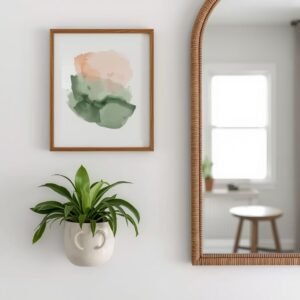
A single large-scale botanical print or a soft abstract watercolor in muted spring tones can anchor a wall and become the visual focal point of the whole room. Frame it simply in a thin natural wood or metal frame and hang it alone rather than in a cluster for maximum impact. If your walls are already white or off-white, the print will look crisp and beautiful against them. If your walls are a darker or bolder color, choose artwork with background tones that complement rather than clash. One great piece of wall art, hung at the correct height, does more for a room than a dozen small pieces scattered without intention.
Beyond artwork, a large round rattan or woven mirror is one of the most spring-appropriate wall additions you can choose. It reflects light, adds organic texture, and brings a natural warmth to the wall without overwhelming it. Position it on the wall across from your main window so it bounces natural light deeper into the room, which is a particularly lovely effect on bright spring mornings. A simple arrangement of dried botanicals in a wall-hung small vase or pocket planter is another low-commitment option that adds life and color to a blank wall with a very minimal footprint.
10. Elevate With Thoughtful Spring Scent and Candle Styling
The last, and often most overlooked, layer of spring living room decor is scent. A room can look absolutely beautiful, but the moment you walk in and it smells like fresh linen, light citrus, or a garden after rain, the experience of the space becomes entirely multisensory and deeply memorable. Scent is the quickest shortcut to mood, and for spring, you want something clean, slightly floral, and gently uplifting rather than heavy or sweet. Think white tea, green tomato leaf, fresh fig, or light neroli.

Candles are the most beautiful way to introduce scent and also contribute a design element in their own right. Choose candles in ceramic vessels or glass containers that look intentional on your coffee table or shelf. Cluster three candles of varying heights together for a styling moment that photographs beautifully and creates a warm glow in the evening. Pair a tall pillar candle with a shorter container candle and a small taper in a brass or ceramic holder. The varying heights create visual rhythm, and when lit in the evening they transform the atmosphere of the room completely.
Reed diffusers, linen sprays, and dried botanical bundles are additional ways to layer scent without relying solely on candles. A small bundle of dried lavender or eucalyptus tied with natural twine and placed on a shelf or hung near the window fills the room with a subtle, natural fragrance whenever warm air circulates. A linen spray on your sofa cushions means that every time someone sits down, the room smells fresh and welcoming. These are small touches, but taken together they make your spring living room feel like a place someone has genuinely cared for — which is exactly the feeling that makes a home truly beautiful.