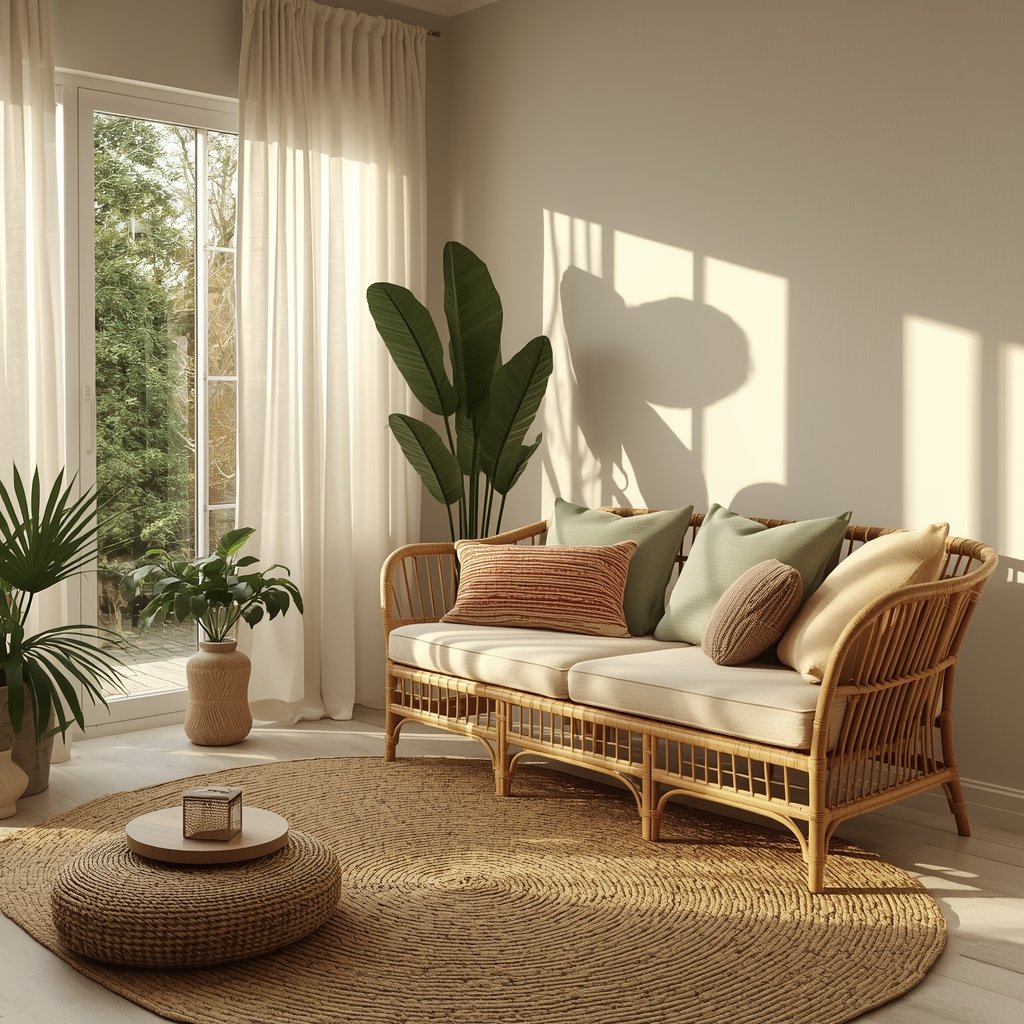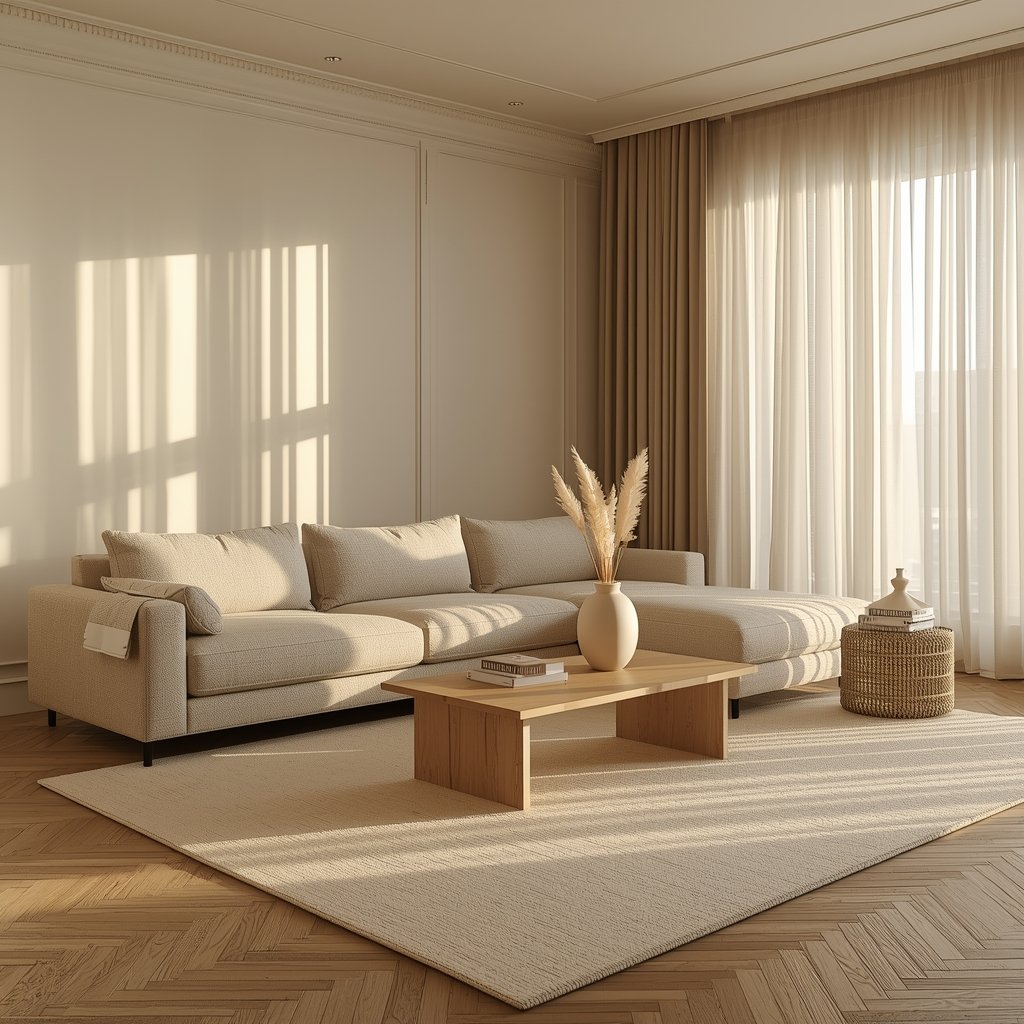
There is something quietly powerful about a living room that makes you exhale the moment you walk in. A space that does not demand your attention, but gently holds it. These ten ideas are for anyone who craves a home that feels like a breath of fresh air — unhurried, beautiful, and genuinely livable.
1. Anchor the Room With a Neutral Sofa You Will Never Regret
The sofa is the heart of any living room, and choosing one in a grounded neutral tone is one of the most calming decisions you can make. Think warm oatmeal, soft putty, or a barely-there greige. These shades do not fight with anything else in the room — they simply settle in and let everything around them breathe. A bouclé or linen-textured fabric adds dimension without visual noise, making the sofa feel collected and intentional rather than plain. Pair it with a low-profile silhouette and tapered wooden legs to keep the room feeling open and light, even in smaller spaces.
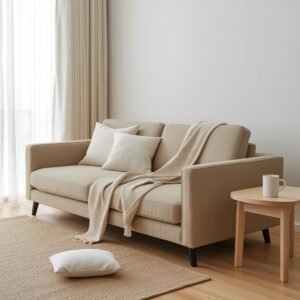
Once your sofa is in place, let it set the tone for everything else. Layer a chunky knit throw over one armrest — not folded perfectly, but casually draped — and add two or three cushions in tonal shades. The trick is to stay within a two-to-three color family: cream, warm white, and a soft clay or sage work beautifully together. Avoid over-cushioning. A sofa with too many pillows starts to feel cluttered, and clutter is the enemy of calm. Let the sofa breathe, and your entire room will follow.
2. Let Natural Light Do the Decorating
Nothing transforms a living room faster than thoughtful light management. If you have windows, treat them like the design feature they are. Swap out heavy drapes for sheer linen or cotton voile panels in white or soft ivory. These fabrics filter sunlight beautifully, casting a warm, golden diffusion across the room rather than harsh direct rays. During the day, this kind of light makes every surface — your walls, your furniture, your floors — look warmer and more alive. It is one of the most underrated decorating tools available to you, and it costs almost nothing to implement.

In the evenings, layer your lighting deliberately. A single overhead ceiling light rarely creates the right mood for a calm living room. Instead, combine a floor lamp in a warm amber tone with a table lamp on a side table or console, and consider small LED candles or a real candle grouping on your coffee table. This creates what designers call “light at multiple levels,” which makes a room feel cozy and dimensional rather than flat and clinical. Warm bulb temperatures (2700K to 3000K) are your best friends here — they replicate golden hour indoors.
3. Build a Coffee Table Moment Worth Styling Around
The coffee table is your living room’s quiet stage. When styled well, it pulls the whole room together. When ignored, it becomes a surface for remote controls and last week’s mail. Start with a tray — natural rattan, marble, or matte black — to give the vignette a defined boundary. Then layer within it: a stack of two or three matte-cover books, a small sculptural object (a smooth stone, a ceramic geometric form), and a single stem in a bud vase. That is it. Three elements, thoughtfully chosen, create a look that feels both curated and effortless.

Material matters enormously for coffee tables in calm living rooms. Travertine, light oak, whitewashed mango wood, and rattan are all excellent choices because they carry texture without shouting. A round coffee table is particularly friendly in smaller rooms — it eliminates sharp corners visually and allows for easier flow around the seating area. If your sofa and armchair are upholstered in soft tones, contrast your coffee table with a slightly warmer or more organic material to add depth. The pairing of a cream sofa with a travertine or bleached wood table, for example, feels quietly luxurious without any effort.
4. Use White Walls as Your Greatest Design Asset
White walls are not boring — they are one of the most intelligent choices you can make in a living room that is meant to feel calm and clean. The key is choosing the right white. Pure stark white can feel cold and institutional. Instead, lean toward whites with warm undertones: soft white, antique white, warm linen, or Swiss Coffee. These shades shift beautifully in different lights throughout the day, appearing almost cream in morning warmth and crisp and fresh in afternoon brightness. They make your furniture look considered, your art look gallery-worthy, and your overall space feel larger than it is.
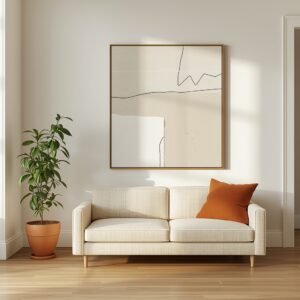
Against warm white walls, almost everything looks intentional. A single piece of abstract line art in a simple natural wood frame becomes a focal point. A terracotta pot with trailing greenery pops gently. Your furniture reads clearly without competing with a busy backdrop. The secret to making white walls feel rich rather than sparse is texture — a woven wall hanging, a plaster-effect feature section, or even a simple grid of framed prints adds visual interest without color overwhelm. Let your walls be the calm canvas and let everything else be the gentle brushstroke.
5. Bring in One Organic Element That Feels Alive
Every calm living room needs something that reminds you of the outside world — a single element drawn from nature that breaks the perfect stillness of styled furniture and anchored rugs. This does not mean filling every corner with plants. It means choosing one standout organic moment: a large leafy fiddle-leaf fig in a woven basket, a sculptural dried pampas arrangement in an oversized ceramic vase, or even a stack of raw linen-wrapped logs beside a fireplace. These natural additions add life, texture, and a quiet unpredictability that no designed object can replicate.

When choosing your organic element, think about scale. A small succulent on a coffee table barely registers in a full-sized room. For genuine impact, go larger than you think you need to. A tall branchy arrangement in a matte white floor vase creates a striking vertical moment that draws the eye upward, making ceilings feel higher and rooms feel more expansive. Pair natural elements with earthy ceramics — unglazed stoneware, matte biscuit-tone pottery, raw clay tones — and you create a quietly grounded corner that feels like it belongs in an editorial spread, but also unmistakably like home.
6. Layer a Rug That Grounds the Entire Space
A rug is not just a floor covering — it is the foundation that holds your living room together visually. The right rug defines the seating area, adds warmth underfoot, and introduces texture in a way that feels grounded rather than decorative for its own sake. For a calm living room, natural fiber rugs work exceptionally well: jute, sisal, wool, or a flat-woven cotton rug in a soft stripe or a subtle geometric pattern. These materials add organic depth without introducing strong color or pattern that competes with the rest of the room. In terms of scale, always go larger than your instinct tells you. A rug that fits entirely under the sofa and coffee table — with all furniture legs sitting on it or at least the front legs — creates a cohesive, anchored look.

Layering rugs is another beautiful option for living rooms that want more warmth or dimension. A large, flat-weave natural jute as the base, with a smaller cream or ivory Moroccan-style shaggy rug layered on top, creates instant coziness and depth. This technique works especially well in neutral rooms that risk feeling too flat. Play with textures here: rough against smooth, tight-woven against fluffy pile. If your floors are light, a mid-tone natural rug grounds the room. If your floors are dark, a pale cream or ivory rug lifts the space and keeps it feeling airy.
7. Create a Reading Nook That Invites You to Slow Down
A reading nook within your living room is one of the most intentional things you can do for a calm, considered space. It does not require a dedicated room or even a large alcove — simply a well-placed armchair, a floor lamp with a warm bulb, and a small side table at the right height. The armchair should feel slightly separate from the main sofa arrangement, positioned at a gentle angle toward a window or a quieter corner of the room. Choose an upholstered chair in a fabric that feels different from your sofa — a velvet sage, a soft camel boucle, or a washed cotton slub in warm taupe — to create a visual distinction within a cohesive palette.

The details around the nook are what make it feel like a true retreat within your home. A small stack of books on the side table — real ones you actually read, not just decorative props — adds personality and authenticity. A soft, generously sized throw folded over the arm of the chair says “sit here and stay a while.” A small potted plant or a simple candle nearby adds a sensory layer to the visual one. This corner should feel personal, which means it should reflect something about you, not just your aesthetic sensibility. A lived-in reading nook is always more beautiful than a perfectly staged one.
8. Choose Furniture With Simple Lines and Honest Materials
Calm living rooms are not built on trends — they are built on furniture with quiet integrity. Pieces with simple, clean lines and honest materials (real wood, natural stone, linen, cotton, solid-cast ceramic) bring a sense of permanence and ease that fast-furniture simply cannot replicate. A solid oak console table with visible wood grain, a mango wood side table with a slightly rough texture, or a coffee table with a genuine marble or travertine surface — these are the kinds of pieces that make a room feel grounded and real. They do not demand attention; they simply exist with quiet confidence alongside everything else.
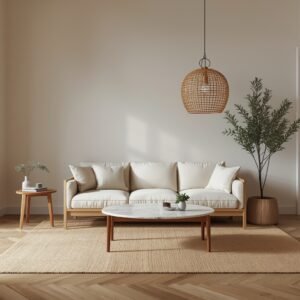
When selecting furniture for a calm living room, resist the urge to match everything too perfectly. A mix of wood tones — say, a light ash sofa frame alongside a darker walnut side table — feels more natural and collected than a perfectly coordinated set. The same logic applies to upholstery: a linen sofa alongside a velvet accent chair in a complementary tone creates tension in the best way. The goal is a room that looks like it was assembled over time, with care, rather than ordered all at once from a single catalogue page. That kind of thoughtful layering is what separates a styled room from a truly beautiful one.
9. Edit Ruthlessly — Less Is Always More Visually
One of the most transformative things you can do for a living room is remove things rather than add them. Calm spaces are not minimalist out of austerity — they are edited out of intention. Every object in a truly restful living room earns its place. This means clearing the top of your console table to just three items. It means removing the extra cushion that never gets used. It means choosing one art piece that you love deeply rather than filling a wall with prints that are simply filling space. The visual rest your eyes experience when they land on clear surfaces is deeply calming — it is not emptiness, it is breathing room.
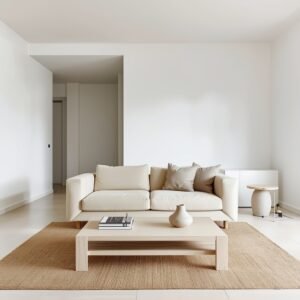
Practical editing strategies make this easier. Do a walk-through of your living room and pick up everything that has been sitting in the same spot for more than a month without being used or genuinely admired. Store it. Give it away. Relocate it to a room where it makes more sense. Then look at what is left with fresh eyes. Often, the bones of a beautiful, calm room are already there — they have just been obscured by accumulated stuff. Once you edit down to what truly matters, you can arrange those remaining pieces with more intention: pulling the sofa slightly away from the wall, adjusting the angle of the rug, repositioning the lamp for better ambiance.
10. End the Room With a Scent That Completes the Feeling
Design is not only visual — and the most thoughtfully decorated living rooms understand this deeply. Scent is one of the most powerful and underused tools in creating a room that genuinely feels calm. A soy or beeswax candle in a simple glass or ceramic vessel, placed on your coffee table or a console, adds warmth both visually and atmospherically. Choose scents that echo your room’s aesthetic: warm cedarwood, soft sandalwood, clean cotton, or a subtle eucalyptus. These are quiet, grounding fragrances that do not compete for attention — they simply deepen the mood of the space, the same way a rug grounds the furniture or a throw softens the sofa.
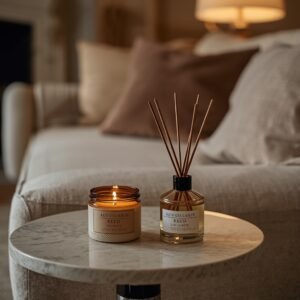
Reed diffusers work beautifully in living rooms where candles are not practical, and they offer a more continuous, low-maintenance scent experience. Position one on a console near the entryway or on a bookshelf at nose height for maximum effect. But beyond the practical, consider what scent means to the feeling you want your living room to hold. A room that smells like warm linen and cedarwood on a quiet Sunday morning is a room you will want to return to, rest in, and protect. That is the true measure of a calm living room: not how it looks in a photograph, but how it feels the moment you walk through the door and let yourself settle in.