There is something quietly magical about stepping outside on a cold December evening and seeing your home glowing against the dark sky. This holiday season, let your front porch, garden, and entryway tell a story worth stopping for.
1. The Candlelit Lantern Pathway
Nothing draws the eye quite like a pathway that leads somewhere worth going. Lining your front walkway with oversized lanterns this winter creates an immediate sense of warmth and arrival. Think antique brass or matte black iron lanterns, varying in height, filled with pillar candles or battery-operated flickering LEDs that mimic real flame without the outdoor wind risk. Tuck fresh sprigs of eucalyptus, holly, or cedar inside the base of each lantern for a touch of natural texture. Space them every two to three feet along both sides of your path, and let the uneven glow create rhythm. This works especially well on brick or stone walkways where the contrast between the rough surface and the warm light feels effortlessly rustic and editorial at the same time.

To build on the lantern display, layer the pathway edges with low mounding arrangements of pinecones, white-painted rocks, or small potted evergreens dusted with faux snow spray. The goal is to make the path feel curated, not overcrowded. Keep a consistent height variation so the eye moves naturally from ground level upward to the lanterns, then toward your front door. You can mix metal finishes if you keep the candle colors unified, all ivory or all deep cranberry, for visual cohesion. Adding a woven jute or sisal runner beneath the lanterns where space allows gives the setup a farmhouse-adjacent warmth that photographs exceptionally well in the early evening golden hour.
Complete the look by anchoring the pathway at the door with two large statement lanterns flanking the entryway, slightly taller than the ones along the path. Wrap their bases in thick coils of burlap ribbon or buffalo check fabric and tuck in a few cinnamon sticks for a subtle seasonal scent. A small chalkboard sign leaning against one lantern with a simple holiday greeting feels personal and Pinterest-ready without being kitsch. When the light falls at that perfect blue-hour moment, the whole scene reads like a holiday editorial spread that feels entirely achievable.
2. The Grand Garland Front Door
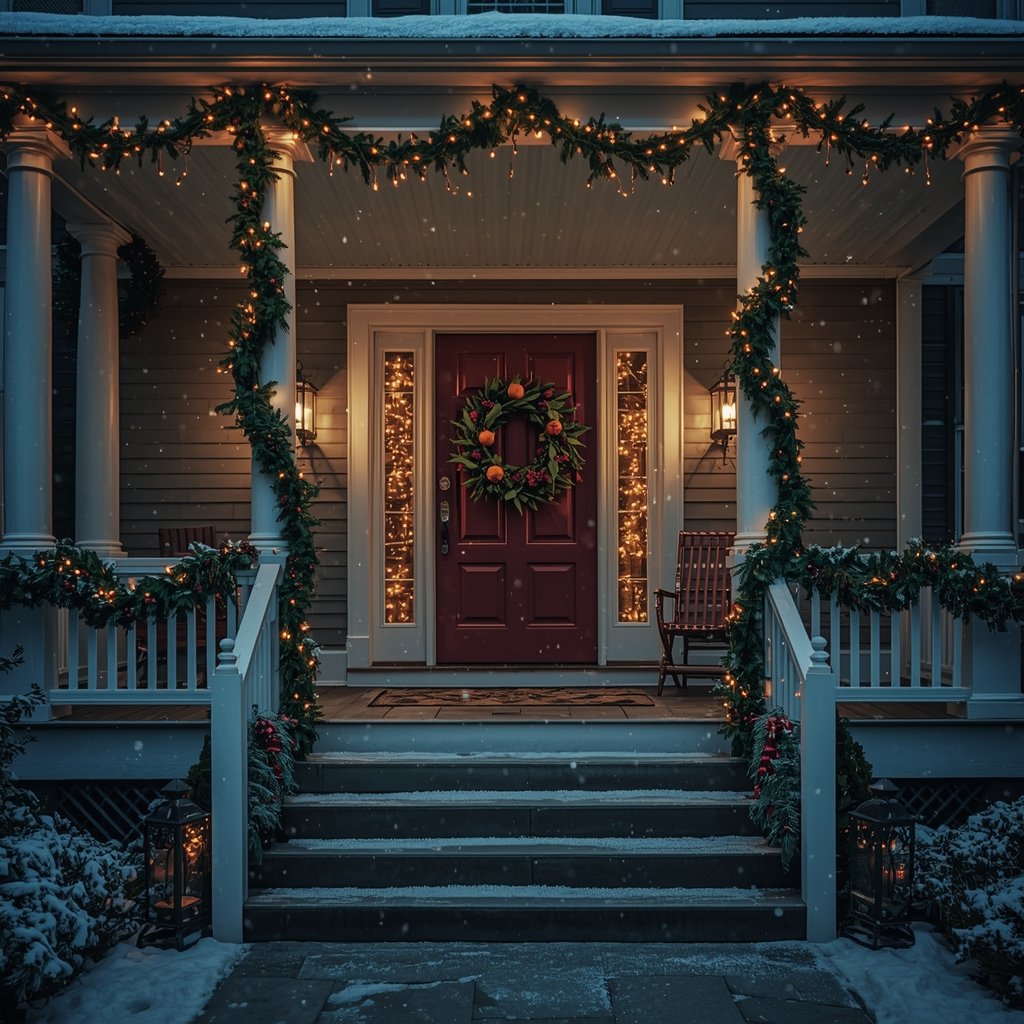
The front door is the centerpiece of every outdoor holiday display, and in 2026, the design direction leans heavily into lush, overstuffed garlands that cascade rather than simply frame. Start with a full fresh-cut noble fir or mixed evergreen garland and build outward from there. Layer in magnolia leaves for their deep green tops and silvery undersides, dried orange slices, cinnamon sticks bundled with twine, and clusters of red winterberries. The layering of textures is what elevates this from ordinary to extraordinary. Mount the garland in a generous arc across the top of the door frame and let the ends drape naturally down both sides, falling past the midpoint of the door for full visual impact.

Color palette matters more than most people realize when styling a door garland. For winter 2026, the most striking combinations lean into deep forest greens paired with burgundy, dusty rose, and antique gold rather than the traditional red-and-green. If your door is painted in a moody shade like navy, forest green, or charcoal, the garland reads as incredibly sophisticated. For white or cream doors, the rich jewel tones of the garland create a beautiful contrast. Thread a ribbon in velvet or wide grosgrain throughout the garland in a loose, relaxed wave rather than tying it in rigid bows. This creates movement and a more editorial, organic feel that aligns with current interior styling trends.
Lighting the garland transforms it after sundown. Use micro LED fairy lights in warm white rather than cool white, weaving them loosely through the greenery so light appears to emanate from within. Add a coordinating wreath to the door itself, one that echoes the same botanicals from the garland but does not duplicate them exactly. A wreath made of dried pampas grass, eucalyptus, and magnolia with a single velvet ribbon feels fresh and modern while still being undeniably festive. Step back and view the entire composition from the end of your driveway to ensure the scale reads well from a distance, which is the true test of a successful front door design.
3. The Snow-Dusted Potted Evergreen Flanking
There is a timeless elegance to a pair of well-styled potted evergreens standing on either side of a front entry, but the 2026 approach to this classic is anything but predictable. Choose topiary-style cypress, spiral juniper, or cone-shaped Alberta spruce as your anchors. Then treat them like Christmas trees in miniature: wrap their trunks with burlap ribbon, layer their bases in galvanized metal or wicker planters filled with preserved moss, pinecones, and birch branches. Add a dusting of faux snow to the top two-thirds of each tree for that freshly-snowed-upon look that reads beautifully both in person and in photographs. Tuck clusters of red berries or small ornament balls into the lower branches to give each tree a finished, styled quality.

Lighting the flanking trees properly is what takes them from nice to unforgettable. Wrap each tree with warm white or amber string lights from base to tip in a spiral motion rather than randomly, which gives an intentional, even glow when illuminated. If the trees are large enough, consider adding a starburst or snowflake projector aimed at them from a low ground-level position. This creates a soft overlay of moving light that feels magical without requiring elaborate installation. The contrast of the glowing tree against the dark winter sky or a light snowfall is a quintessential holiday image that resonates deeply with the seasonal mood you are trying to create.
To make the arrangement feel more complete rather than simply symmetrical, vary the accessories between the two pots slightly. One planter might have a lantern nestled beside it, while the other has a small stacked-wood bundle tied with ribbon. This asymmetry keeps the eye moving and prevents the setup from feeling too formal or staged. Between the two trees, if space allows, place a wide shallow basket or wooden crate filled with plaid blankets or outdoor pillows for your seating area. This bridges the gap between decorative and functional and signals to guests that your outdoor space is a place meant to be experienced and enjoyed, not just admired.
4. The Cozy Outdoor Seating Nook
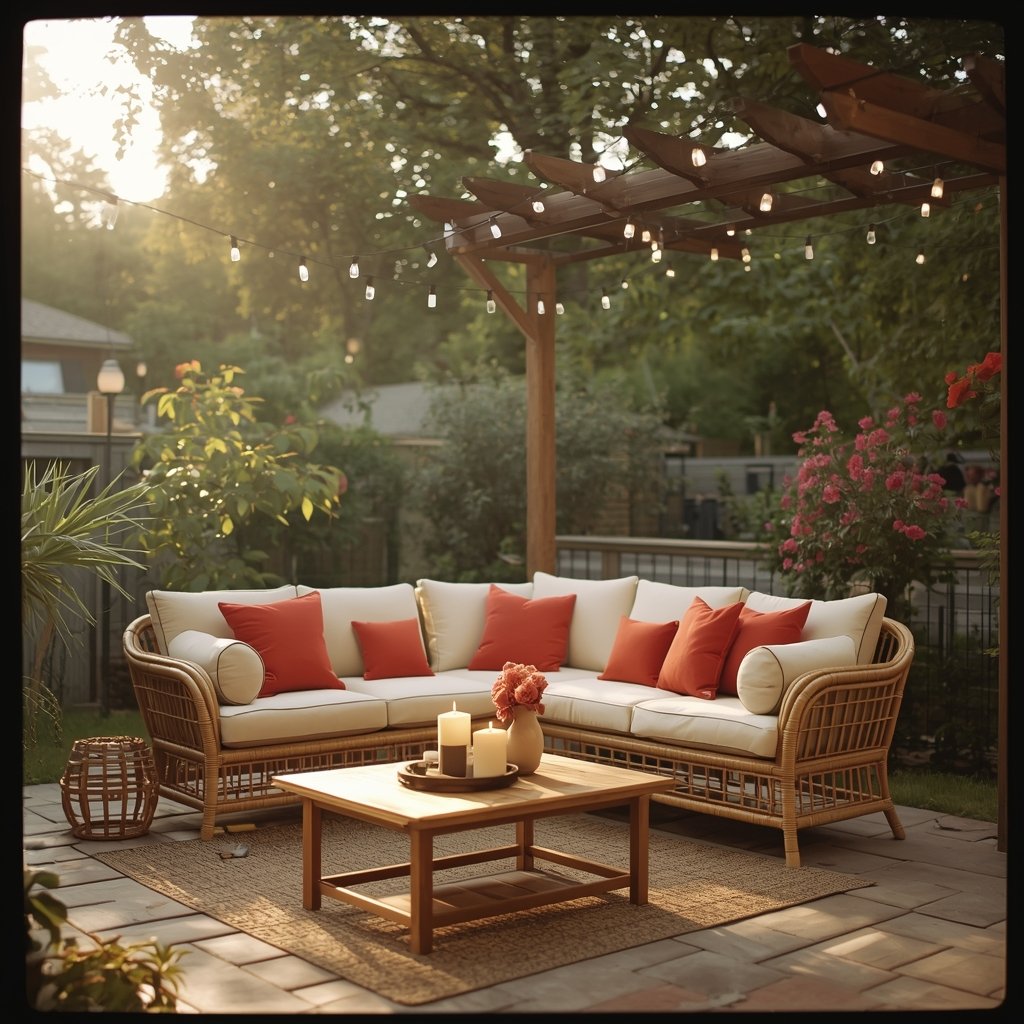
More and more homeowners are extending their indoor living aesthetic outward during the holidays, and the outdoor seating nook concept captures this perfectly. If you have a porch, deck, or patio, transform a corner of it into a cozy winter retreat. Start with weather-resistant upholstered furniture in deep tones, charcoal, navy, or dark olive, and layer with outdoor-rated throw pillows in plaid, houndstooth, or buffalo check patterns. Add a chunky knit throw in cream or camel across the arm of a chair or sofa. A small side table with a lantern and a mug of something warm completes the suggestion of a life being lived beautifully outdoors even in the cold.

Warmth, both literal and visual, is the key ingredient in this setup. A freestanding outdoor fireplace or a compact fire table becomes the focal point around which everything else is arranged. If an open flame is not feasible, a tall outdoor electric heater with a matte black finish disappears visually while keeping the space genuinely usable in cold temperatures. Frame the seating area with potted evergreens on either side and hang a strand of cafe lights or Edison bulbs overhead to create a ceiling of light that defines the space and makes it feel intimate. The layering of light sources, the fire below, the Edison bulbs above, and perhaps a lantern on the side table, creates a depth that is both functional and visually rich.
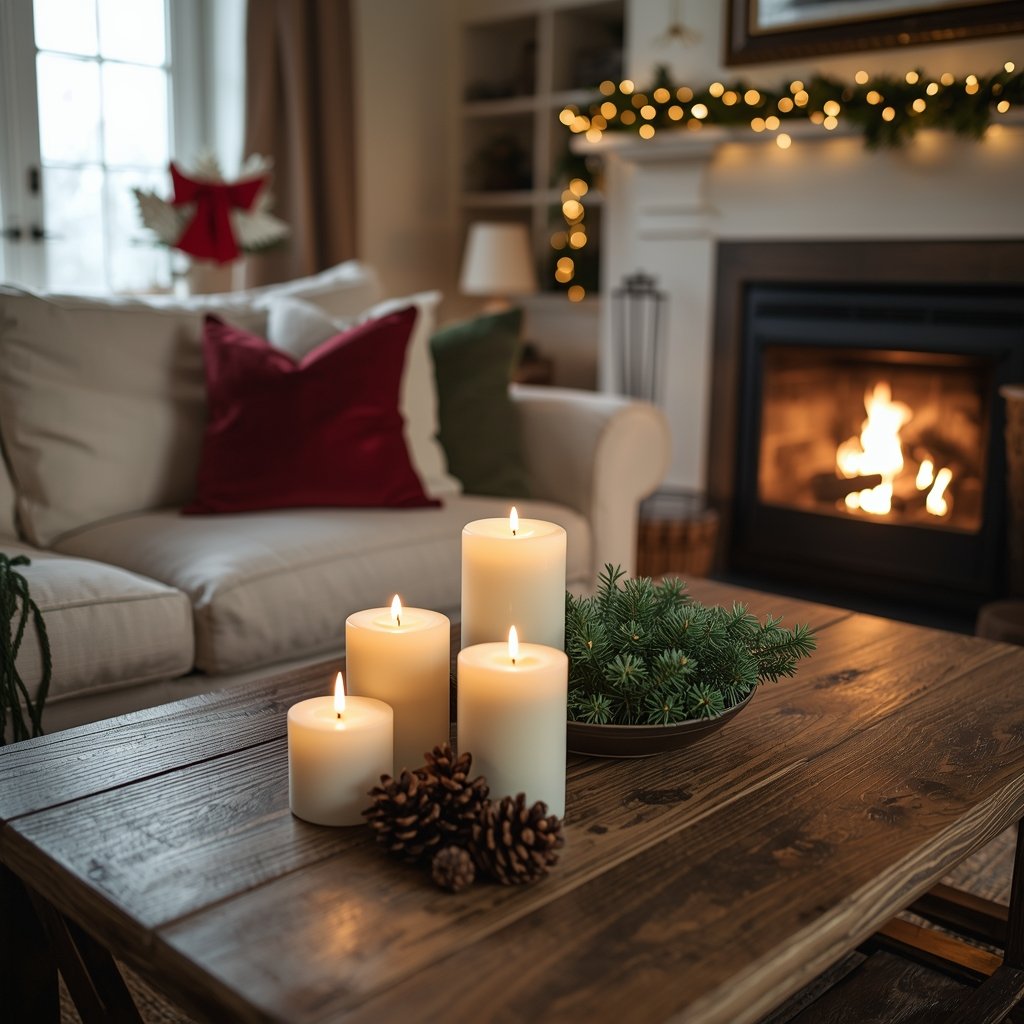
For the finishing touches, think about what a photographer would notice. A throw casually draped, a book left open, a small tray of pinecones and cinnamon sticks on the table. These details tell a story. Hang a simple wreath on the wall behind the seating area or prop one against a railing nearby. A holiday-themed outdoor rug in deep red, green, or neutral cream anchors the furniture and defines the boundary of the nook. This kind of setup photographs beautifully at the blue hour when interior warmth glows outward, and it invites real use rather than just visual appreciation, which is always the goal of the best outdoor holiday decorating.
5. The Birch Branch and White Light Winter Arch
A decorative arch at the entry of a yard, driveway, or garden path gives your outdoor holiday decor a sense of arrival that feels grand without being overly formal. For winter 2026, the most compelling version of this idea uses natural birch branches rather than manufactured metal arches. Source them from a local nursery or floral supplier and arrange them in a wide overhead arc, securing them to wooden stakes anchored in the ground. The white and silver tones of birch bark naturally evoke winter without any additional effort. Weave white fairy lights through every branch from base to tip, and add clusters of white and silver ornament balls, dried cotton stems, or frosted pinecones at the junction points where branches meet.

What makes this arch feel editorial rather than craft-project is restraint. Keep the color palette strictly white, silver, and natural wood tones with zero additional color. The monochromatic approach in the context of a winter landscape feels deeply intentional and sophisticated. Add hanging bundles of dried white pampas grass or bleached lunaria seed pods at intervals along the arch for textural interest. If you have existing garden posts or entry pillars, wrap their bases in burlap and tie a simple birch bundle with twine against each one. The arch itself should be wide enough to walk through comfortably, which adds to its functionality as an actual welcoming gesture rather than just a decorative backdrop.
At night, this arch becomes transformative. The fairy lights reflecting off the pale birch bark create a warm shimmer that looks extraordinary against a dark sky or fresh snowfall. Position a small uplighting fixture at the base of each main branch support, aimed upward, to create drama from below. Photograph it from the far end of the walkway looking inward for the most impactful composition. In daylight, the arch reads as an organic, sculptural winter installation. After dark, it becomes something closer to a winter wonderland gateway that stops scrolling immediately. This is the kind of statement piece that makes your home look like it belongs in a shelter magazine without requiring a renovation budget.
6. The Statement Wreath Wall on Fence or Siding
A single wreath on a door is expected. A curated wall of wreaths staggered across a fence, barn door, or exterior siding is a conversation starter. This trend has been building steadily on Pinterest and hits full stride in winter 2026 as homeowners seek ways to extend holiday decor beyond the front door. The key to making a multi-wreath wall look intentional rather than chaotic is variation without inconsistency. Use wreaths that share a common design element, such as the same ribbon color or botanical base, but differ in size, shape, or secondary embellishment. Arrange three to five wreaths in a diagonal or staggered horizontal line rather than a rigid grid.

Selecting the right wall or fence surface matters enormously. A white-painted wooden fence becomes an almost gallery-like backdrop for a series of lush green wreaths with burgundy velvet ribbons. A weathered wood barn door creates a rustic context where dried botanical wreaths with no ribbon look utterly at home. Cedar siding in a warm honey tone pairs beautifully with wreaths made of mixed berries, magnolia, and tallow berries in cream and red. Think about the background your wreaths will hang against before choosing materials, because the interplay between wreath and surface is what elevates the composition. Space each wreath with intentional breathing room rather than crowding them together.
Lighting a wreath wall requires a bit of creativity. Run a single strand of globe string lights or thin fairy lights along the top rail of the fence, allowing them to drape gently downward so light falls across the wreaths softly. You can also tuck battery-operated wreaths with built-in LED lights among the non-lit ones for a varied glow effect. If you are hanging wreaths on siding, consider adding a small individual spotlight angled at the wall from below to create a subtle illuminated backdrop. In daylight, this display is bold and graphic. After dark, the combination of soft light and natural botanicals creates a mood that is warm, artful, and deeply seasonal in the best possible way.
7. The Oversized Bow and Ribbon Door Column Treatment
Columns, pillars, and porch posts are among the most underused canvas in outdoor holiday decorating. The ribbon column treatment turns them into something genuinely striking with relatively minimal effort and maximum visual payoff. Begin by wrapping each column in a wide ribbon, at least four inches across, in a diagonal barber-pole pattern from base to top. Velvet ribbon in deep red, forest green, or antique gold works best because it holds its shape outdoors and photographs with a richness that simpler satin or grosgrain cannot match. Secure the ribbon discreetly with small dabs of waterproof floral adhesive or clear zip ties hidden on the back side of the column.

At the top of each wrapped column, tie an oversized statement bow using a contrasting or complementary ribbon. Let the tails of the bow fall dramatically rather than trimming them short. The excess ribbon pooling softly at the base or trailing down the sides adds a luxurious, editorial quality. Tuck fresh or faux evergreen picks into the bow knot for depth, and nestle a few pinecones, gilded seed pods, or small ornaments into the arrangement. If you have multiple columns, ensure the bows are consistent in style but allow slight variations in embellishment so the eye is engaged rather than bored by perfect replication.
The ribbon treatment pairs exceptionally well with a matching garland overhead connecting the columns, creating a framed porch composition that feels complete and considered. To maintain visual balance, bring in a coordinating wreath on the front door and a ribbon-tied lantern on each porch step. Keep the ribbon palette limited to two or three colors across the entire porch so the overall scene reads cohesively rather than busy. This kind of layered approach to a single design element is what separates a beautifully decorated porch from one that simply has decorations on it. The result is a home exterior that feels dressed rather than decorated, which is always the higher aspiration.
8. The Woodland-Inspired Front Yard Vignette
Not all outdoor Christmas decor needs to be concentrated at the front door. A well-composed yard vignette, set a little distance from the house, creates a layered holiday landscape that rewards the eye as it moves from the street inward toward the home. The woodland-inspired approach uses natural materials almost exclusively: birch logs, pinecones, wicker deer figurines, potted bare-branch arrangements, and bundles of dried grasses. Arrange these elements in a loose cluster near a mailbox, garden bed edge, or a focal tree, with varying heights and textures guiding the composition. A wicker reindeer pair, one standing and one grazing, surrounded by lanterns and birch rounds feels like a scene from a nature illustration.

Ground-level detail work is what separates a thoughtful vignette from a simple prop placement. Fill a large wooden crate or galvanized tub with a mix of pinecones, birch rounds, and preserved magnolia leaves. Add a cluster of tall dried cattails or papyrus stems for vertical interest. A simple hand-lettered welcome sign on weathered wood leaning against the arrangement adds a personal, homemade quality without being precious about it. If you have a garden bed, edge it with a row of short birch branch stakes wrapped with string lights to define the space and add a low warm glow at ground level that guides the eye from the street to the vignette and then onward to the house.
Lighting the woodland vignette requires a ground-level mindset. Solar-powered stake lights in a warm amber tone work well here, positioned to cast upward light on the wicker deer and taller elements. The wicker deer themselves can be wrapped with micro LED string lights before placing them in the scene, which creates an enchanting glowing animal effect after dark. A small battery-operated lantern placed at the heart of the vignette completes the warmth. This kind of naturalistic, story-driven yard display connects deeply with the current home decor movement toward organic, imperfect, seasonal beauty that feels rooted in nature rather than a retail catalog.
9. The Layered Staircase and Railing Display
Exterior staircases are one of the most naturally theatrical spaces in outdoor holiday decor because the repeating geometric rhythm of each step creates a built-in structure for layered decoration. The approach that works best for 2026 is treating each step as its own small vignette while maintaining visual continuity across the whole staircase. Begin by placing a small potted plant, lantern, or cluster of pinecones and greenery on every other step, alternating sides to create a zigzag visual path. Wrap the railing in a fresh garland of mixed evergreens, letting it hang loosely rather than pulling it tight, and weave ribbon and fairy lights through it from bottom to top.
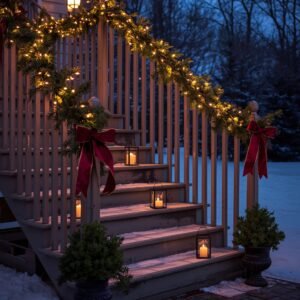
Color-block the staircase display intentionally. If your front door is red, carry that red through the ribbon on the railing and the berry clusters on each step vignette. If your door is navy or charcoal, use deep teal, hunter green, and gold as the staircase palette. The staircase should feel like it is introducing the door rather than competing with it. Use progressively larger arrangements as you move up the stairs, saving the fullest, most elaborate groupings for the top landing flanking the door. This directional scaling creates a natural sense of arrival and frames the entryway as the destination it deserves to be.
At night, the staircase lighting becomes its own event. Place a candle lantern or battery LED lantern on each step that does not already have a plant, creating alternating pools of warm light up the entire staircase. The garland lights on the railing provide continuous illumination while the individual step lanterns add punctuation. A projector positioned at the base of the stairs aimed upward can cast soft snowflake or star patterns across the railing and garland for an extra layer of visual magic. The total effect, from the street, is of a softly glowing staircase that ascends like a holiday invitation, which is exactly the feeling the best outdoor decor should create.
10. The Illuminated Roofline and Gutter Light Architecture
Used thoughtfully, roofline lighting is the single most impactful thing you can do for your home’s holiday presence from the street. The 2026 approach moves away from multicolor traditional bulb lights entirely and embraces a more architectural, tone-on-tone strategy. Choose warm white or soft amber LED icicle lights or straight-line C7 bulbs in a consistent spacing along the roofline, gutters, and if the home’s architecture supports it, the ridge of the roof. The goal is to outline the geometry of your home in light, making it readable and beautiful from a distance rather than simply bright.

Beyond the basic roofline, extend the architectural lighting concept to window frames, shutters, and dormers. A simple border of single-strand warm white lights around each window creates a grid of warmth across the entire facade that looks intentional and cohesive. Connect window lights with a vertical strand running down corner trim boards for a fully articulated, illuminated house portrait. Avoid mixing light temperatures across the facade since the contrast between warm amber and cool white reads as disorganized from a distance. Consistency in light color across the entire roofline and window display is the discipline that separates a well-designed holiday exterior from one that simply has a lot of lights.
Complete the roofline story with coordinating ground-level uplighting aimed at the facade itself, not just the landscaping. A row of warm white or amber ground spotlights buried flush in garden beds and aimed upward at the house walls create a warm wash that makes the building itself glow as a backdrop to the roofline lights above. This two-direction lighting, from above and from below, creates dimensional depth that reads beautifully from the street and in photographs. Add a single lighted star or snowflake at the peak of the roofline or above the front door as a focal punctuation point, and your home becomes the kind of destination that draws the whole neighborhood out for a slow evening drive just to see it lit up one more time.