There is something quietly magnetic about a well-styled glass coffee table — it holds the room together without demanding too much attention. Whether your living space is minimalist, bohemian, or somewhere in between, the right decor can turn a simple piece of furniture into the most intentional corner of your home.
1. The Minimalist Tray Styling Method
If you have ever felt overwhelmed trying to style a glass coffee table, a tray is your best starting point. Trays do something clever — they create a visual boundary that organizes objects without making the surface feel crowded. Choose a matte travertine or brushed brass tray and place it slightly off-center on the table. This deliberate asymmetry actually feels more polished than perfect symmetry. Inside the tray, keep things simple: a short pillar candle, a tiny sculptural object, and a small bud vase. Three items, maximum. The glass table beneath lets light travel through, so your tray becomes a kind of floating installation rather than just a surface arrangement.
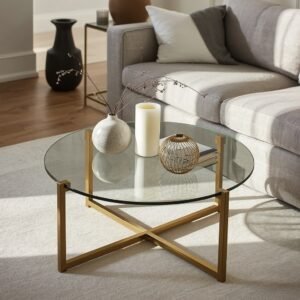
The key to making this look feel fresh rather than generic is in the material contrast. If your tray is stone, let the vase be ceramic. If it is metal, pair it with something organic like a wooden object or a sprig of dried botanicals. Color-wise, stick to a two-tone palette — warm ivory with aged brass works beautifully, as does slate grey with matte black. The restraint is the whole point. When paired with a low-profile sofa in textured linen or performance velvet, this look lands somewhere between a boutique hotel lobby and a thoughtfully curated home. Add a single floor lamp with a warm bulb nearby, and in the evening this vignette glows in the most satisfying way.
2. Dried Botanicals and Natural Textures
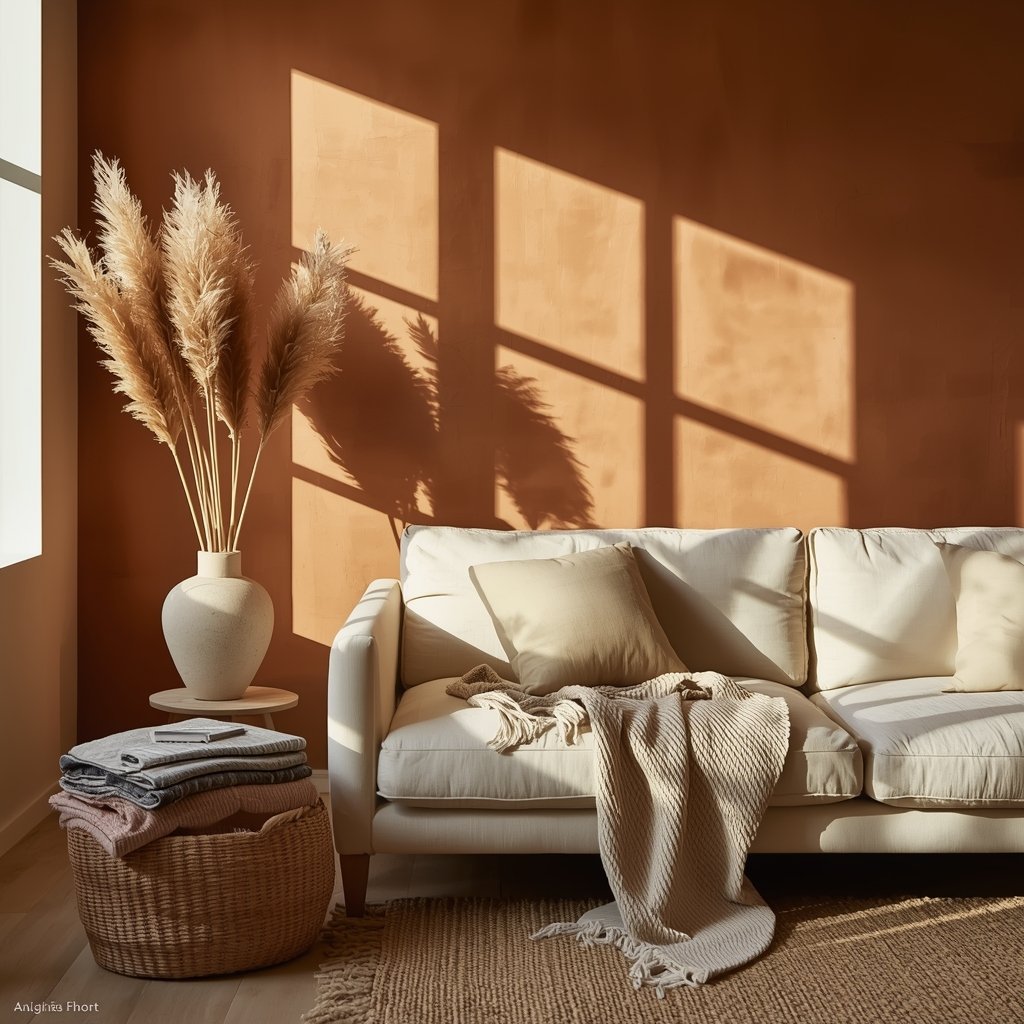
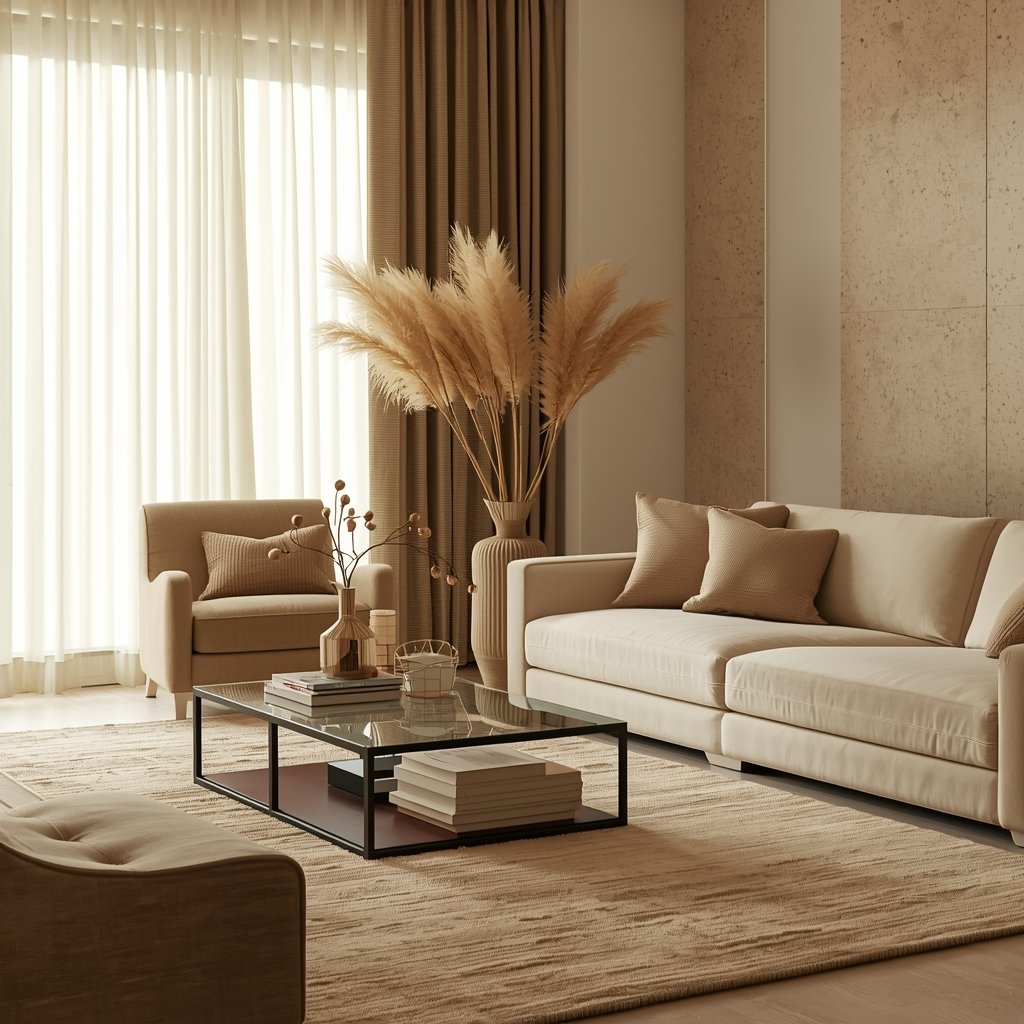
Dried botanicals have had a moment in home decor, and they are not leaving anytime soon — because they genuinely work. On a glass coffee table, dried pampas grass, bunny tail stems, or preserved eucalyptus bring in organic warmth without the maintenance of fresh flowers. The visual trick here is height variation. Use a tall, narrow ceramic vase for the main stem arrangement, then tuck a small rattan or woven basket nearby containing rolled linen napkins or small pine cones. This layering of heights and textures creates a sense of depth that a flat arrangement simply cannot achieve. The transparency of the glass below enhances everything — nothing is hidden, which means every piece has to earn its place.

What makes this look feel cohesive rather than chaotic is a consistent warm neutral palette. Think oat, sand, terracotta, and dusty blush working together across different objects. If your sofa is a warm cream or camel tone, the dried botanicals will echo those earthy undertones and create a room that feels like it was assembled thoughtfully over time rather than bought all at once. Lighting matters tremendously here. In daylight, the dried stems cast beautiful wispy shadows through the glass table surface. In the evening, place a small rechargeable table lamp or a cluster of tea lights nearby to create that amber, intimate glow that makes the whole setup feel like a slow Sunday.
3. The Art Book Stack with a Sculptural Object
A curated book stack on a glass coffee table is one of those styling tricks that looks effortless but is actually very considered. The idea is simple — stack two to three oversized coffee table books, spines turned outward or hidden for a cleaner look, and place a small object on top. But the object is everything. It should be unexpected: a smooth river stone, a mini abstract bronze sculpture, a folded linen pouch, or a piece of raw crystal. The combination of the flat horizontal book stack with one vertical or rounded sculptural element creates a visual tension that keeps the eye moving and engaged. On glass, this sits like a still-life composition — every detail visible from every angle.

Choosing the right books is actually part of the decor decision. Look for books with spines or covers in muted tones — architectural photography books, fashion monographs, or art and nature volumes work especially well. Avoid bright primary colors unless your room is specifically designed around a bolder palette. The stack reads best when the books graduate in size, largest at the bottom, smallest on top. Pair this setup with a sofa in deep sage, dusty navy, or warm off-white, and the books will anchor the palette perfectly. If your living room gets good natural light in the morning, position this setup where the light can skim across it — that raking light reveals texture in the most beautiful way.
4. Candle Cluster Styling for an Ambient Mood
There is a reason candle clusters appear on every aspirational home decor feed — they transform the atmosphere of a room in a way that almost nothing else can. On a glass coffee table, the effect is even more dramatic because the glass reflects the flame and doubles the warmth. The approach here is to group candles in odd numbers — three or five — and vary their heights intentionally. Mix a tall pillar candle with a medium hurricane glass candle and a set of short votives. Use one cohesive color across all of them: all ivory, all terracotta, or all charcoal. Mixing wax colors in the same cluster creates visual noise rather than elegance.
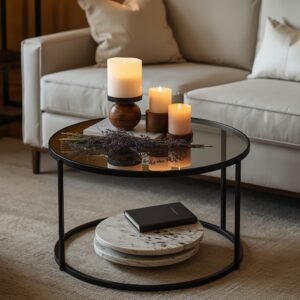
To keep the arrangement looking intentional rather than thrown together, place the candles on a shared surface — a marble slab, a wooden board, or a low oval ceramic dish. This gives the cluster a visual home and prevents it from looking scattered. Surround the candles with a few natural elements: a handful of smooth grey pebbles, a sprig of dried lavender, or a small piece of driftwood. The resulting vignette feels both serene and alive. For the room around it, soft indirect lighting works best to let the candles truly shine. A linen sofa in warm white or aged ivory nearby will absorb and reflect the candlelight in the most flattering way. This look is made for evening entertaining and quiet weekday evenings alike.
5. The Single Statement Vase Approach
Sometimes one strong object does more for a space than ten carefully arranged pieces. A single oversized or unusually shaped vase — whether ceramic, glass, or stone — placed directly on a glass coffee table can function almost like a piece of sculpture. The key word here is intentional. The vase should be interesting on its own: an unusual silhouette, a beautiful glaze, a raw unfinished texture. It does not have to hold flowers. An empty vase with a compelling form is a completely legitimate design choice. If you do want to add stems, go with one variety only — a single bunch of white tulips, a cluster of dried wheat, or three long-stemmed anemones. Restraint here is a design strategy, not a limitation.

The beauty of pairing a single statement vase with a glass table is the visual breathing room it creates. Everything else in the room — your sofa, your rug, your art — has space to speak. To make this look feel anchored rather than lonely, place the vase slightly off-center and add just one additional element: a single small candle, a flat smooth stone, or a folded architectural magazine. Keep the background color of your sofa warm and textural — a chunky knit throw casually draped over the arm adds softness that balances the deliberate starkness of the single vase. In morning light, if your vase has a glazed or reflective surface, it will catch the light and glow in a way that no busy table arrangement ever could.
6. Layered Books, Tray, and Greenery
This is one of the most versatile and enduringly popular glass coffee table looks because it works in almost any living room style — from Scandi-minimalist to modern traditional. The formula involves three layers: a tray as the base, a book stack to one side, and a small living or dried plant as the organic element. What makes or breaks this look is proportion. The tray should not dominate the entire table surface — leave some clear glass visible on at least one side. The books should not be too tall or too thick in the stack — two is often better than four. And the plant should be small but impactful: a single succulent in a concrete pot, a trailing pothos in a ceramic bowl, or a sprig of olive branch in a narrow vase.
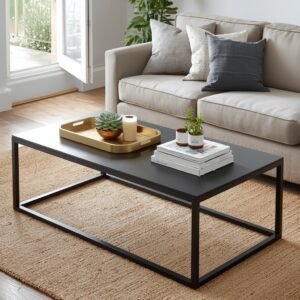
The reason greenery changes everything on a glass table is simple — it introduces life into what might otherwise feel like a staged photo rather than a lived-in home. Even the smallest plant softens the edges of harder elements like metal, stone, and glass. Color-wise, deep green against warm terracotta, ivory, or aged brass is a combination that photographs beautifully and lives well. Consider the height of your ceiling when scaling this look — in rooms with higher ceilings, you can afford a slightly taller arrangement. Natural light is the ideal partner for this setup because it makes the green pop and lets the glass table surface shimmer just enough to add dimension without distraction.
7. Marble and Metal Accent Styling
There is a certain timeless quality to the pairing of marble and metal — it reads as both luxurious and modern without trying too hard. On a glass coffee table, marble and metal accents elevate the entire room instantly. This look works by bringing in a small marble object — a small bowl, a bookend, a sphere, or a flat serving board — and pairing it with one or two metal accent pieces. A hammered brass bowl, a thin gold candleholder, or a polished chrome object all work well. The glass of the table creates a third transparent layer beneath these two materials, and the visual interplay of transparency, stone, and metal is genuinely striking from any angle in the room.

To style this well, keep the palette cool and restrained: white marble veined with grey or gold, paired with aged brass or warm gold metal, all sitting against a sofa in deep charcoal, dusty blue, or warm greige. Avoid introducing too many other materials into this setup — the whole effect depends on letting the marble and metal carry the visual weight. One small, deliberate addition works well here: a single dark green leaf in a glass vase, or a small art object in matte black. This look suits open-plan living spaces particularly well, where the glass table’s transparency allows sightlines to flow freely through the room. Pair with pendant lighting overhead for evenings — the marble and metal will catch the light in a way that feels quietly opulent.
8. Seasonal Fresh Flowers with Minimal Support
Fresh flowers on a glass coffee table are one of the simplest ways to make a home feel genuinely alive and cared for. The trick is not to over-style them. One beautiful bunch of flowers in a well-chosen vessel is all you need. The vessel matters as much as the flowers themselves — a wide-mouth ceramic bowl suits loose, overflowing arrangements like garden roses or ranunculus, while a narrow-necked vase is better for long-stemmed tulips, anemones, or single peonies. On a glass table, avoid very low arrangements that disappear into the surface — you want some vertical presence, even if it is soft and organic in form rather than tall and architectural.

Seasonality is the subtle detail that takes this look from pretty to intentional. In spring, soft pinks and whites — cherry blossom, tulips, sweet peas — feel perfectly calibrated to the lightness of a glass table. In autumn, rich burgundy dahlias or deep amber chrysanthemums create a warmth that grounds the room. In winter, a simple bunch of white amaryllis or eucalyptus feels both festive and restrained. Whatever season you are in, keep everything else on the table minimal when flowers are the focal point — at most, a single candle or a small book. Let the flowers breathe. Pair the arrangement with a sofa in a complementary neutral so the flower color becomes the only pop in the space.
9. Monochromatic White and Cream Tablescape
A monochromatic styling approach — especially in white and cream tones — looks incredibly sophisticated on a glass coffee table because the transparency of the glass means the arrangement almost appears to float. The idea is to build an entire vignette using only one color family, but with intense variation in texture and form. Think a cream linen book, a matte white ceramic vase with dried white cotton stems, a rough plaster tealight holder, and a small bleached wooden object. Every piece is within the same tonal range, but each one has a completely different surface quality — smooth, rough, soft, hard. That contrast of textures within a single palette is what makes monochromatic styling feel rich rather than flat.

This look pairs beautifully with almost any sofa color because it acts as a neutral anchor for the rest of the room. Against a deep navy sofa, the cream and white table arrangement creates a crisp, gallery-like contrast. Against a warm sage sofa, it feels organic and spa-like. Against a light grey or ivory sofa, the effect is serene and effortless. The only lighting caution with this setup is to avoid harsh cool-toned light, which can make white and cream tones feel clinical rather than cozy. Opt for warm bulb temperatures — 2700K is ideal — in any nearby lamps. In morning natural light, a monochromatic white and cream arrangement on a glass table is genuinely one of the most beautiful, photograph-worthy setups you can create in a home.
10. Bold Color Accent on a Neutral Glass Table Setup
Every other idea in this list has leaned into the neutral, and with good reason — neutrals work. But there is a specific kind of confidence in bringing one bold color element onto a glass coffee table and letting it own the room. This is not about chaos or maximalism. It is about one deliberate, high-impact color choice surrounded by calm. Think a deep cobalt blue ceramic vase in an otherwise ivory and glass setup. Or a single rich terracotta bowl against pale linen and brushed brass. Or a jewel-toned green marble object on a white and natural wood surface. The glass table is the perfect vehicle for this because it does not compete — it simply holds the color and lets it radiate outward into the room.
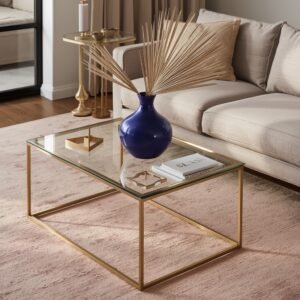
The surrounding decor should be deliberately understated to let the color accent work. Keep the rest of the table sparse — one or two neutral objects at most, so nothing dilutes the impact of the bold piece. Your sofa tone matters here: the richest results come when the sofa color and the accent color are in conversation with each other. A cobalt vase against a dusty blue sofa creates a tonal harmony. A terracotta bowl against a warm rust-toned cushion creates depth. An emerald green object against a sage sofa feels lush and botanical. Consider lighting carefully as well — a well-placed lamp nearby can illuminate the bold piece from the side and create a dramatic, editorial quality that elevates the whole look from casual to intentional.