Your living room is about to become your favorite room in the house. The design world is moving in a direction that feels personal, grounded, and genuinely beautiful — and if you have been waiting for the right moment to refresh your space, that moment is now.
1. Curved Furniture That Makes Every Room Feel Like a Hug
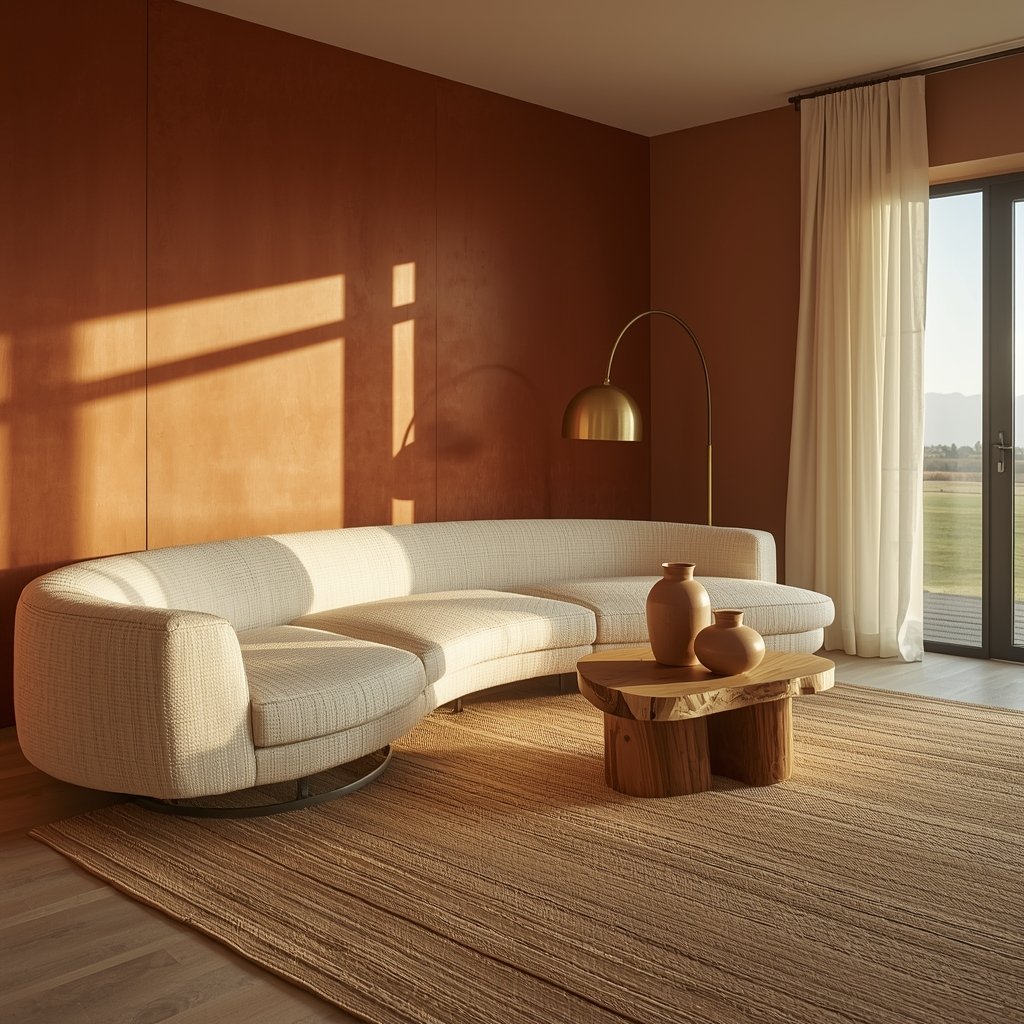
Straight lines are stepping aside. In 2026, curved and rounded furniture is not just a trend — it is a full shift in how we think about comfort and space. Think sofas with soft arched backs, oval coffee tables, and ottomans shaped like smooth river stones. There is something about these forms that makes a room feel instantly warmer and more welcoming — the kind of space where people naturally want to slow down and stay a while. Pair a curved boucle sofa in ivory or warm sand with a circular travertine or light oak coffee table and you have a foundation that feels both curated and completely livable. The secret is letting the curves repeat across multiple pieces rather than isolating them in a single statement chair.
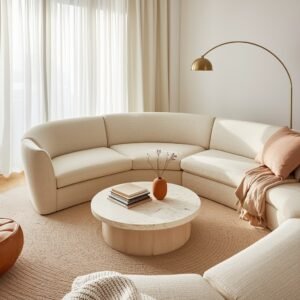
Layer soft textiles to complement the shapes and deepen the coziness. A chunky knit throw draped over a rounded armchair, paired with velvet cushions in deep terracotta or blush, brings the whole look together without overcomplicating it. Curved wall shelving mounted in an arc or half-moon shape is also having a serious moment — it adds a sculptural quality that doubles as practical storage. For lighting, lean into the theme with a circular pendant or an arched floor lamp that reinforces the rounded language of the room. The mood you are creating is soft, inviting, and just a little playful — a space that feels designed for real people rather than staged for a catalog.
2. Warm Minimalism With Actual Soul
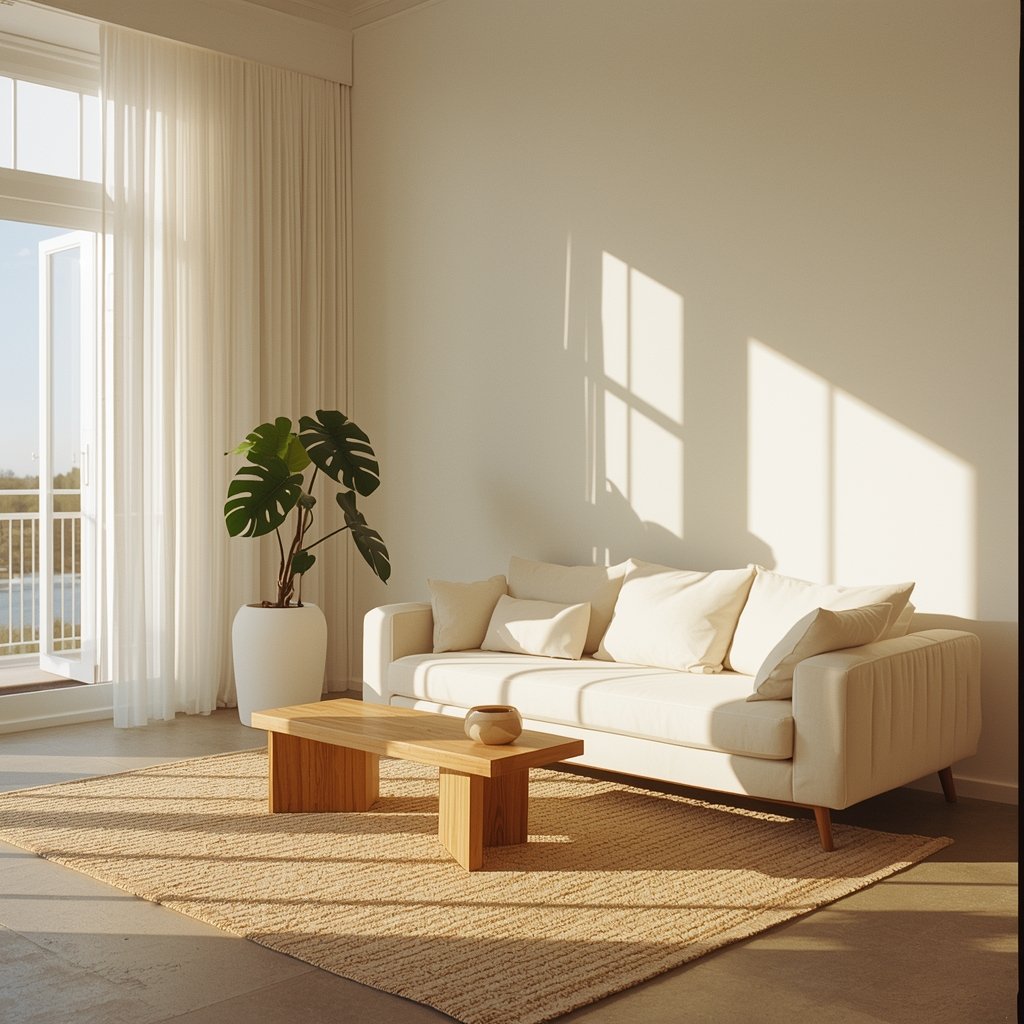
Minimalism got a much-needed makeover. The cold, clinical version that dominated the last decade is finished — what is arriving in 2026 is warm minimalism, a style that keeps things intentionally uncluttered but wraps the whole room in earthy, grounded warmth. Picture walls finished in limewash or raw plaster in a shade like warm putty or dusty wheat. The furniture stays restrained — a low-profile linen sofa, a simple wood side table, a single floor lamp with architectural presence — but every single piece earns its place. Nothing generic. Nothing filler. The room breathes, and that breathing space is the point.
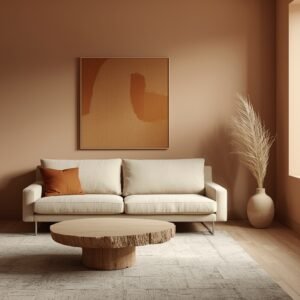
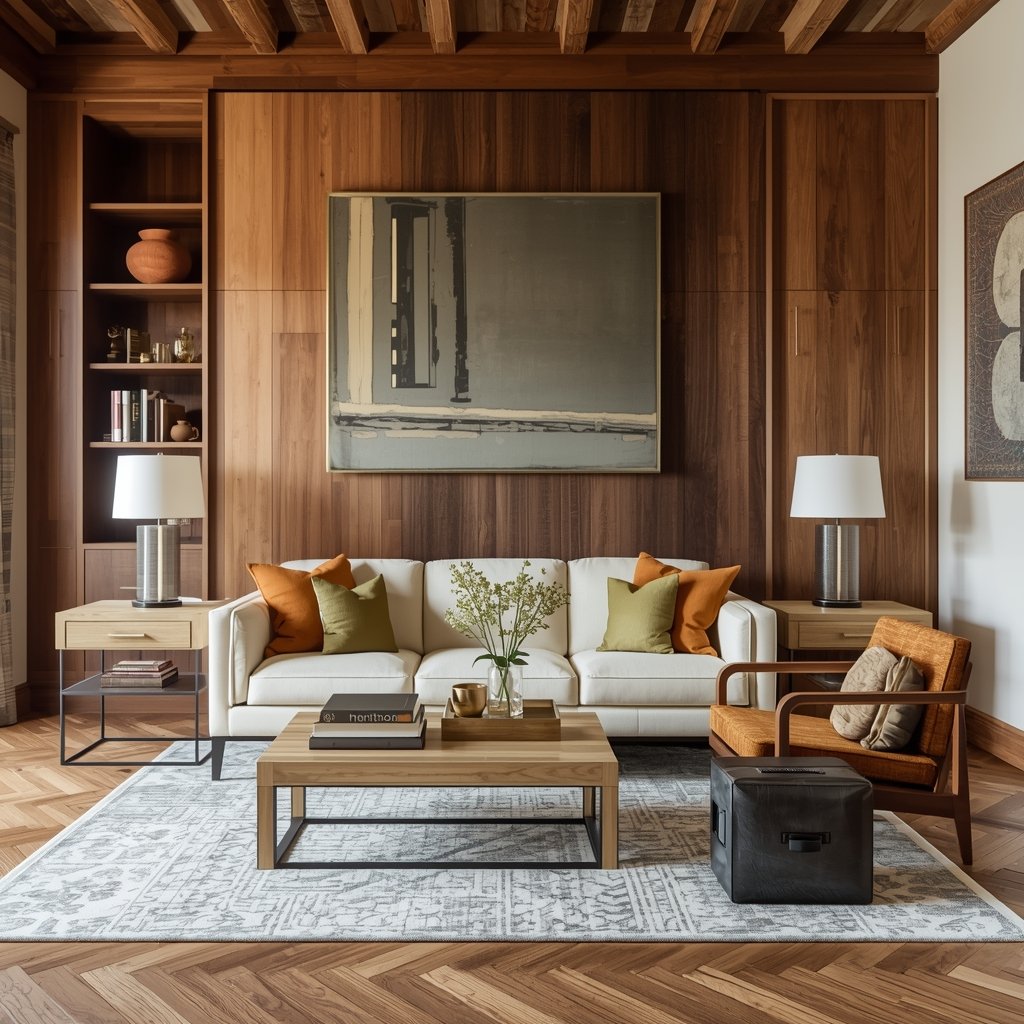
The key to warm minimalism is in the materials rather than the color count. Rough-hewn stone, natural wood with visible grain, undyed linen, and handthrown ceramics bring texture and depth without adding visual clutter. Keep your palette tight — three tones at most — and let the quality of each piece carry the room. One large abstract canvas in warm ochre and burnt sienna on an otherwise bare wall does more heavy lifting than five smaller pieces ever could. This is a style for people who want their home to feel genuinely calm and considered — not styled for an Instagram moment, but built for the way they actually live.
3. Earth Tones That Feel Alive, Not Safe
If there is one color story owning living rooms in 2026, it is the earth palette — and not in a beige-and-boring kind of way. We are talking deep clay reds, warm cinnamon browns, dusty sage greens, sun-baked terracotta, and muted mustard, all layered together in a way that feels genuinely rich and grounded. These colors pull directly from the natural world and bring a steadiness into your home that cooler, trendier palettes simply cannot replicate. Start with a terracotta or warm clay accent wall and build outward from there, letting your sofa and rug anchor the palette in something slightly more neutral so the room does not feel heavy.
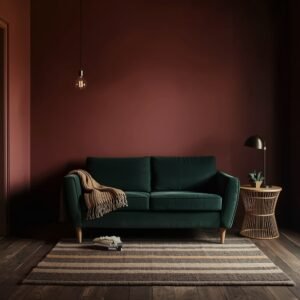
What makes earth tones feel fresh rather than dated in 2026 is the way designers are pairing them with unexpected contrasts. A deep hunter green velvet sofa against warm clay walls. A burnt sienna armchair sitting on a stone-toned striped wool rug. The contrast creates energy without chaos. Bring in natural materials alongside the color — rattan, raw unfinished wood, woven linen, and aged leather — to keep the look organic. For lighting, warm-toned bulbs in brass or matte black fixtures make earth tones absolutely glow in the evening, giving the room a quality that feels almost elemental in the best possible way.
4. Sculptural Lighting That Becomes the Focal Point
People are done treating light fixtures as an afterthought. In 2026, your pendant light or floor lamp is the conversation piece — the thing someone notices the moment they step into the room. Sculptural pendants in organic forms, oversized handcrafted rattan shades, dramatic blown-glass globes, and arched floor lamps with bold silhouettes are all having their moment right now. The approach here is to treat your lighting the way you would treat art: with intention and a willingness to commit. One well-chosen statement fixture over your seating area does more for the room than any gallery wall ever could.
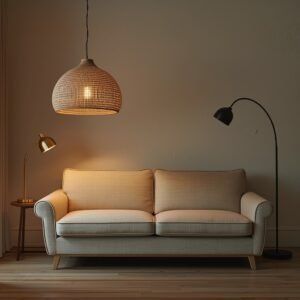
Layering your light sources is just as essential as the fixtures themselves. Combine an overhead sculptural pendant with a warm table lamp tucked into a corner and a few candles or low-profile LED lighting hidden behind furniture for evening depth. This layered approach lets you shift the entire mood of the room depending on the time of day or the occasion. For materials, look toward handcrafted rattan, blackened steel, spun brass, or hand-blown glass. Each of these casts textured, beautiful shadows that become part of the decor — especially at night when the room settles into its quieter, more atmospheric personality.
5. Biophilic Design That Actually Mimics Nature
Biophilic design has been talked about for years, but in 2026 it is finally getting the sophistication it deserves. It is no longer just about placing a single potted plant in the corner. The new biophilic living room genuinely mimics the textures, materials, and sensory qualities of the natural world at every layer. Stone-look plaster walls, live-edge wood shelving, area rugs woven from natural jute or sisal, oversized trailing plants in handthrown ceramic pots — the whole room should feel like it was designed in dialogue with the outdoors rather than in spite of it. The result is a space that genuinely helps you exhale.
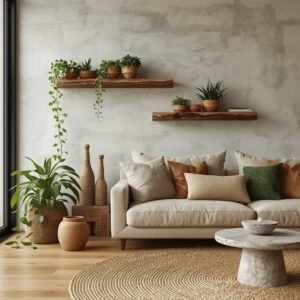
What sets this trend apart in 2026 is the integration of natural elements beyond just plants. Small tabletop water features are appearing in living rooms and bringing a quality of calm that no candle or diffuser can fully replicate. Raw wood elements — unpolished, with visible knots and grain — add organic character. Even the art choices lean into this world: large botanical prints, framed pressed botanicals, or abstract paintings in forest greens and deep ocean blues quietly reinforce the connection to the natural world. The whole room becomes an environment rather than just a decorated space, and that shift in thinking changes everything about how it feels to be in it.
6. Vintage and Antique Pieces Layered With Modern Confidence
The era of matching furniture sets is completely over. The most interesting living rooms in 2026 look like they were assembled slowly over a lifetime — a mid-century armchair in worn cognac leather sitting comfortably beside a contemporary fluted plaster side table, a brass-framed antique mirror leaning above a sleek modern credenza, a handwoven vintage rug anchoring a space full of clean-lined new furniture. The contrast is entirely the point. When you get the balance right, the room tells a story of real taste rather than a single shopping trip.
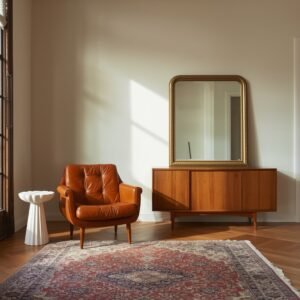
The way to make this look intentional rather than chaotic is through a cohesive color palette that quietly ties everything together. Even when furniture styles and eras are dramatically different, keeping your colors within a warm or cool family creates visual harmony across the whole room. Texture acts as your second unifier — layer different materials freely, but keep the visual weight and scale of pieces balanced. A large vintage or antique area rug is one of the most powerful tools available for anchoring a mixed-era room, giving even the most eclectic collection of furniture a unified foundation that makes everything feel like it belongs together.
7. Textured Walls That Replace the Need for Decor
Flat paint walls are losing ground fast. In 2026, the wall itself is becoming a primary design element — something with physical depth and shadow that changes the way light moves across a room from morning to evening. Limewash paint is leading this movement, offering a softly mottled ancient-looking finish that feels simultaneously rustic and refined depending on the palette you choose. Plaster and micro-cement finishes follow closely behind, bringing a smooth but distinctly tactile quality that pairs beautifully with both modern and organic-style furniture. These finishes add real architectural presence to a room without requiring any structural work.
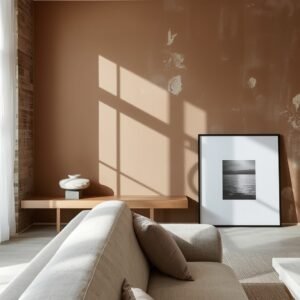
Textured wall panels are the other dimension of this trend gaining serious momentum. Fluted wood panels in natural or white-painted finishes, woven grasscloth wallpaper, and dimensional plaster relief on a single accent wall are all making appearances in well-designed living rooms this year. The beauty of these approaches is that they do not need much styling support — the wall does its own work. A limewash accent wall with a simple wooden bench below and a single oversized photograph above is already a complete, polished vignette. Choose your wall finish first and then let it guide your furniture and textile choices from there rather than the other way around.
8. Deep Moody Color for Rooms That Feel Like a Sanctuary
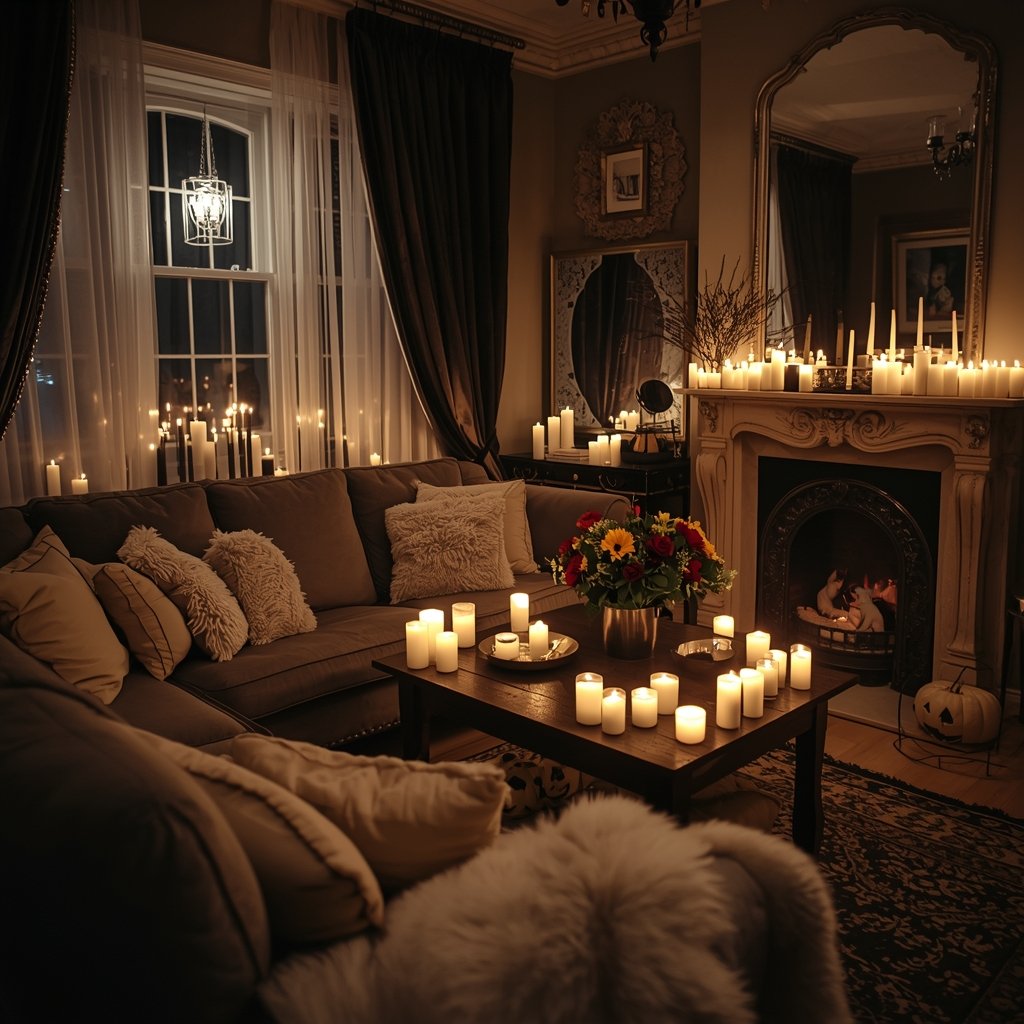
Not every living room wants to be light and airy — and 2026 is fully embracing that. Deep, moody color palettes are making a confident return: midnight navy walls, forest green velvet sofas, rich charcoal cabinetry, burgundy accent cushions, and inky tones that make a room feel like a retreat rather than a showroom. These colors are unapologetically atmospheric, and they work best when the room leans into the drama rather than trying to soften it. Dark walls actually make a room feel more intimate and enveloping — like being wrapped in something deliberately warm. The key is using light strategically to keep the mood luxurious rather than heavy.
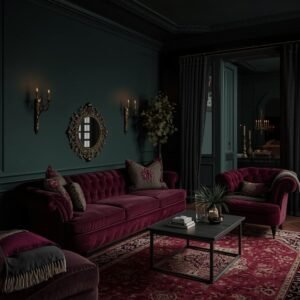
Furniture choices in a moody room should match the intention. Velvet is your strongest ally — a forest green or deep plum velvet sofa becomes an extraordinary focal point against dark walls. Brass or antique gold hardware and fixtures add warmth and contrast without lightening the palette too much. Layer richly patterned textiles throughout: an ornate area rug, embroidered throw cushions, heavy linen curtains that pool slightly at the floor. Every element compounds the effect, and the final result is something genuinely cinematic. Strike a match, dim the lights, and your living room becomes the best room in the house without a single renovation.
9. Handcrafted and Organic Accents Over Mass-Produced Everything
Something important is changing in the way people shop for their homes. In 2026, there is a genuine and growing resistance to perfectly uniform factory-made decor in favor of pieces that visibly show the hand that made them. Handthrown pottery with slightly uneven rims. Woven baskets with natural imperfections built into their texture. Hand-stitched linen cushion covers with visible thread detail. These objects bring a quality of life into a room that no mass-produced item can ever replicate. They become points of conversation. They make a space feel like it genuinely belongs to someone rather than being assembled from a shopping cart.
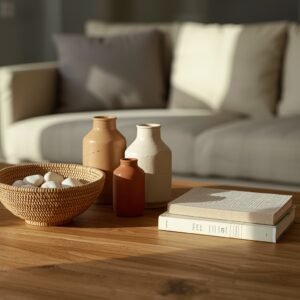
Displaying these pieces thoughtfully is just as important as finding them. Build small intentional vignettes on coffee tables, open shelves, and side tables that mix handmade objects with natural materials. A cluster of handthrown ceramic vases in varying heights alongside a handwoven bowl filled with smooth stones and a stack of artisan-bound books creates a moment that feels effortless and lived-in at once. Pull one accent color from your textile palette and let it appear quietly across the handmade objects — a terracotta pot echoing a terracotta cushion, for example — to create visual cohesion without tipping into uniformity. The room should feel collected, not coordinated.
10. Multifunctional Living Rooms Designed for Real Life
Living rooms in 2026 are being asked to work harder than ever — and thoughtful design is meeting that challenge with elegance rather than compromise. The lines between living, working, reading, and occasionally even dining are blurring beautifully, and the most well-designed spaces this year will be the ones that adapt fluidly between all those needs without looking chaotic. The approach is multifunctional furniture with genuinely attractive lines: a storage ottoman that serves as coffee table and extra seating, a slim console behind the sofa that becomes a standing desk, built-in shelving that holds books alongside decor and concealed media storage.
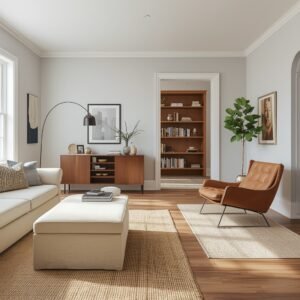
Zone-creating through rugs, lighting, and furniture arrangement is where this trend really comes alive. Rather than one open undefined room, the 2026 living room uses subtle visual cues to signal different areas — a reading nook defined by a floor lamp and an angled armchair near a bookshelf, a main conversation area centered on a low coffee table and rug, a secondary spot near a window with a plant and a small work surface. None of these zones feel forced. They flow easily from one into the next, and the room reads as thoughtfully planned without ever feeling divided. The goal is a space that supports how you actually live, every hour of the day.
11. Global-Inspired Textiles Edited With a Modern Eye
The world has never been more accessible as a source of genuine design inspiration, and in 2026 living rooms are reflecting that in the most beautiful way. Moroccan hand-knotted wool rugs, Indian block-printed linen cushion covers, West African woven throws, and Japanese indigo-dyed textiles are being brought into contemporary spaces not as novelties or trend pieces but as serious design anchors. The difference between doing this well and doing it poorly is entirely in the edit — choosing pieces that feel authentic and considered rather than decorative and surface-level, and integrating them in a way that gives them room to breathe.
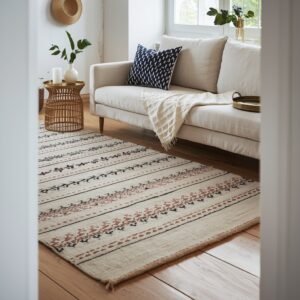
The styling approach here is built on restraint. Let one strong global textile lead the room — a large hand-knotted Moroccan rug in ivory, black, and dusty red is a powerful foundation — and keep the furniture around it relatively quiet and neutral so the textile can do its work. Add a second reference through a throw or a set of cushions in a complementary weave or pattern, and then stop. The room should feel like it belongs to someone well-traveled with genuine taste — not like a curated marketplace. When the balance is right, the textile pieces feel completely at home in a modern Western space while still carrying all of their original character and craft.
12. Statement Ceilings That Change Everything
The fifth wall is finally getting the attention it deserves. In 2026, ceilings are becoming one of the most exciting design opportunities in the entire living room — painted in a deep contrasting tone, covered in natural wood tongue-and-groove planks, wrapped in subtle grasscloth wallpaper, or given the same limewash treatment as the walls for a fully immersive enveloping effect. When you paint your ceiling a shade deeper than your walls — a rich sage when walls are soft green, a warm terracotta when walls are blush — the whole room suddenly feels more considered and complete, like you are inside something intentional rather than just inhabiting four walls.
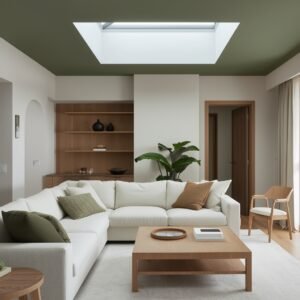
The best part about a statement ceiling is how completely it transforms the room without requiring new furniture. Paint the ceiling, and the entire feeling of the space shifts. Pair a deep or saturated ceiling with lighter, simpler furniture to keep the room from feeling compressed. A cream linen sofa and natural wood accents beneath an inky ceiling create a striking contrast that reads as genuinely sophisticated. One practical tip: bring the ceiling color down just a few inches onto the top of the walls to make the transition feel architectural rather than abrupt. That small detail is what separates a designer-looking result from a DIY experiment.
13. Low-Slung Floor-Level Living Inspired by Japanese Interiors
Wabi-sabi and Japanese interior principles have been quietly building momentum in Western design for years, and in 2026 they are fully arriving. The aesthetic is rooted in floor-level living: sofas and daybeds sitting low to the ground, floor cushions and poufs offering relaxed secondary seating, coffee tables at ankle height, and an overall sense of physical ease that invites total relaxation. The result is a room that feels genuinely unhurried — a space designed not for impressing guests but for inhabiting slowly and with intention. It is the opposite of performance decorating, and right now that restraint feels deeply appealing.
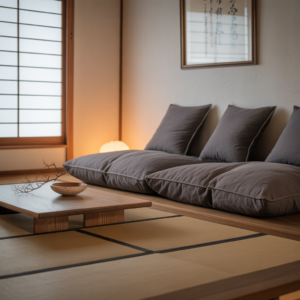
Color and material choices follow the same quiet philosophy. The palette stays natural and controlled: warm whites, soft charcoal, aged linen, raw unpolished wood. Walls stay mostly bare except for a single large piece of calm art — simple calligraphy, a wide-matted nature print, or a monochrome photograph. Negative space is treated as an active design choice rather than an oversight. The floor itself becomes part of the visual experience, so natural wood or pale stone tile is left largely visible rather than covered entirely with rugs. This is design for people who find genuine comfort in simplicity and feel restored rather than bored by a quiet, uncluttered room.
14. Mixed Metals Used With Intention and Confidence
The old rule about keeping metals consistent throughout a room has been officially retired. In 2026, mixing metals is not just acceptable — it is considered a marker of genuine design sophistication when done with a clear logic. The key is choosing no more than two or three metals and giving each one a specific role in the room. Brushed brass might anchor your pendant light and coffee table legs, while matte black appears in your picture frames and curtain rod hardware, and a touch of burnished bronze shows up in a sculptural vase or decorative tray. Each metal plays a supporting part, and together they create a layered, collected quality that single-metal rooms simply cannot achieve.
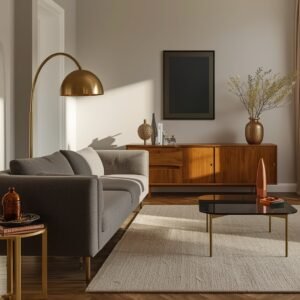
The furniture and textile palette surrounding mixed metals should stay relatively quiet so the metallic accents have room to register clearly. Neutral upholstery in cream, warm gray, or natural linen lets each metal read without competition. If your walls run dark or saturated, lean the metals warmer — more brass and bronze — to prevent the room from tipping cold. Lighting is where mixed metals truly earn their place: a brushed brass arched floor lamp beside a matte black wall sconce creates a dynamic tension that reads as design-forward without trying too hard. When light catches two different metals at different points in the room, the space immediately feels more alive and intentional.
15. Gallery Walls That Look Collected, Not Assembled
The gallery wall has genuinely evolved. The matching-frame grid arrangements that defined the mid-2010s are gone. What is emerging in 2026 is far more personal and far more interesting: gallery walls that mix frame styles, materials, and sizes alongside photographs, original art prints, small mirrors, textile panels, and occasional three-dimensional objects like small wall-mounted shelves or ceramic wall pieces. The goal is a wall that looks like it was built slowly and lovingly over years — because the best ones actually were, and that quality of accumulation simply cannot be faked.
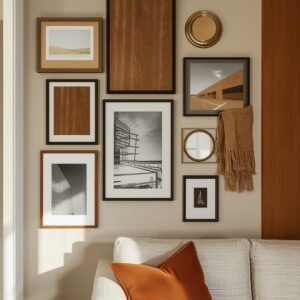
The editing process is where most people find themselves stuck. A gallery wall that works has an underlying logic even when it looks casually put together — a consistent color thread running through the art choices, a dominant frame tone that ties mismatched frames into a family, and thoughtful spacing that gives each piece room rather than cramming everything together. Always lay the full arrangement out on the floor before committing a single nail to the wall. Step back and study it from a distance. Move pieces around until the grouping feels balanced without being symmetrical. When it is working, you will know — the wall will feel like a self-portrait of your taste, built from real choices made over real time.
Save this to your Home Decor board and come back to it every time you feel ready to refresh a corner of your space. The best living rooms are never finished all at once — they grow slowly, with intention, and always with a little love.