A small bedroom does not have to feel like a compromise. With the right design choices, even the tiniest room can feel layered, intentional, and deeply personal — a space you genuinely look forward to retreating into.
1. Go Vertical With Your Storage
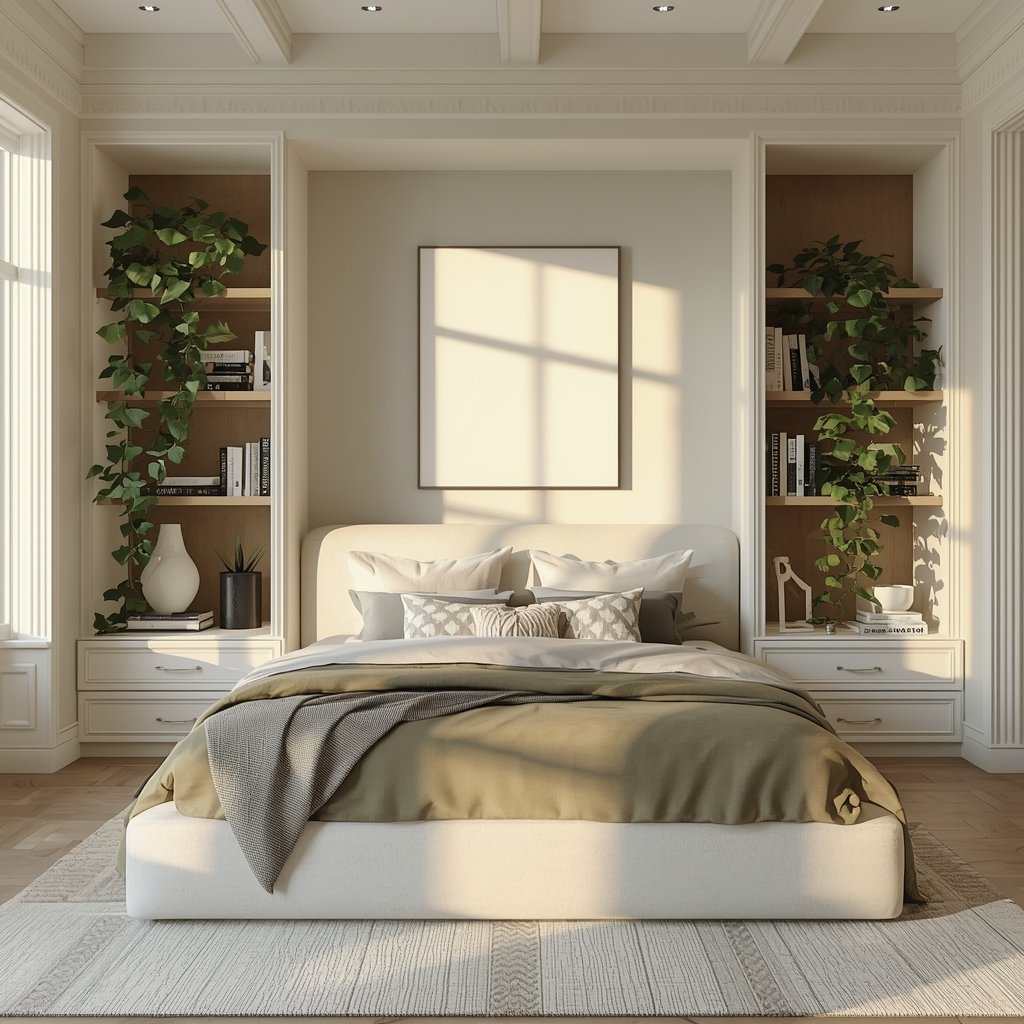
Most people think horizontally when decorating a small bedroom. They fill floor space with furniture, then wonder why the room feels cramped. The real opportunity in a small room is upward. Tall, slender bookshelves that reach toward the ceiling draw the eye up and create a sense of height the room does not actually have. Floating wall shelves above the bed or desk are another smart move — they store everything from books and plants to small baskets of folded accessories, all without claiming an inch of your precious floor. When shelving is painted the same color as the wall, it blends seamlessly and feels architectural rather than functional.

The key is keeping vertical storage visually curated, not chaotic. Think of each shelf as a small vignette — a mix of practical items and decorative ones. A row of neutral-spined books next to a trailing plant and a small sculptural object will feel intentional and calm. Avoid filling every inch with clutter. Negative space is your friend in a small room, and leaving breathing room on shelves actually makes the whole space feel larger. Use woven baskets or linen bins to conceal anything that would otherwise look messy, maintaining that clean, Pinterest-worthy aesthetic while still being completely functional.
2. Choose a Bed With Built-In Storage
The bed is almost always the largest piece of furniture in a small bedroom, and if it is not doing double duty, it is wasting potential. A bed frame with built-in drawers underneath is one of the most practical investments you can make in a compact space. These drawer beds come in everything from sleek platform styles to more upholstered, traditional forms, so there is no reason to sacrifice aesthetics for function. Use the drawers for off-season clothing, extra linens, or anything that would otherwise demand a separate dresser. Eliminating or downsizing the dresser immediately opens up a significant portion of floor space, making the room feel more breathable and less crowded.

Beyond drawers, ottoman beds offer another layer of storage through a hydraulic lift system that reveals a generous space beneath the mattress. These are particularly ideal for storing bulkier items like duvets, pillows, or even luggage. When paired with a clean, upholstered headboard and a well-layered bed, the storage element becomes completely invisible. Style the bed with textured throw blankets in complementary tones — think charcoal, dusty rose, or warm oat — and keep the surrounding floor intentionally clear to emphasize the openness. The less furniture competing for attention, the more spacious the entire room feels.
3. Use Mirrors to Open Up the Space
Mirrors are one of the oldest tricks in interior design, and they work every single time. A large mirror leaned against a wall or mounted directly opposite a window can effectively double the perceived size of a small bedroom. It bounces natural light deeper into the room, eliminates the visual dead-end of a flat wall, and creates the illusion that the space extends further than it actually does. The style of the mirror matters too — a full-length arch mirror in a thin brass or black frame feels modern and sculptural, while an ornate vintage mirror adds warmth and character. Either way, it serves as a functional decor piece that earns its space.

You do not have to limit yourself to one mirror. A gallery arrangement of smaller mirrors in varying shapes can create a striking focal wall that feels intentional and artistic. Pair mirrors with nearby light sources — a bedside lamp or wall sconce positioned close to a mirror will amplify the glow significantly. In terms of placement, avoid positioning a mirror directly facing the bed if you find it disruptive to sleep, but a side wall or the back of a door are both excellent options. Lean a full-length mirror between a window and a wall for maximum light reflection without committing to permanent installation.
4. Embrace a Light, Airy Color Palette
Color has enormous power in a small room. Dark, saturated tones can make a compact bedroom feel cave-like if not handled with precision, while light, airy colors work with natural and artificial light to push the walls outward — at least visually. Soft whites, warm creams, pale sage, dusty blue, and blush are all excellent choices for small bedrooms. These tones create a seamless, continuous visual flow that keeps the eye moving rather than stopping abruptly at each wall. Painting the ceiling in the same shade as the walls, or even a touch lighter, enhances this effect by removing the visual boundary between vertical and horizontal surfaces and making the room feel taller.
That said, a light palette does not mean boring. Layering textures within the same tonal family is what keeps the look from feeling flat. Imagine warm white walls paired with a linen duvet, a chunky cream knit throw, a whitewashed wood headboard, and sheer cotton curtains — each element is technically the same color family, but the mix of textures creates richness and depth. You can introduce a single accent color through a few carefully chosen accessories: a sage green plant, a terracotta candle holder, or dusty blue reading cushions. These small pops of color feel curated rather than overwhelming, and they can be easily swapped out as your style evolves.
5. Invest in a Wall-Mounted Nightstand
Traditional nightstands are bulky and floor-heavy. In a small bedroom, they contribute to that closed-in feeling by interrupting the sightline along the sides of the bed and reducing the perception of open floor space. Wall-mounted nightstands change everything. Installed at the perfect height beside the bed, they provide all the same function — a surface for your lamp, book, glass of water, phone — without touching the floor at all. The result is a cleaner, more open-feeling room where the floor appears to extend further. This works especially well in rooms where getting in and out of bed feels tight because there is no furniture leg to navigate around.

The design options for wall-mounted nightstands are surprisingly broad. A simple wooden shelf with a single drawer gives a Scandinavian, minimal feel. A marble-topped metal bracket shelf feels luxurious and modern. A floating cane-front cabinet adds texture and warmth to a boho-leaning room. Whatever you choose, keep the top surface intentionally simple — a small lamp, one decorative object, and perhaps a small dish for jewelry is all you need. Pair the floating nightstand with a wall-mounted sconce above it to keep the bedside area entirely furniture-free below, which further enhances that airy, spacious feeling that small bedrooms desperately benefit from.
6. Use Curtains to Fake More Height
Window treatments are often an afterthought in bedroom design, but in a small room they are actually one of your most powerful tools. Hanging curtain rods as close to the ceiling as possible — even when the window itself sits much lower — makes the ceilings feel dramatically taller. The eye follows the curtain fabric from floor to near-ceiling and interprets the whole wall as taller than it is. For maximum effect, choose curtains in a color that closely matches your wall shade so they blend into the background rather than creating a visual break. Floor-length panels that puddle slightly at the base create an effortlessly elegant look that feels more like a high-end hotel than a modest apartment bedroom.

Fabric choice matters enormously here. Sheer linen curtains are ideal for small bedrooms because they let diffused natural light pour in even when closed, which keeps the room from feeling dark and enclosed. If you need blackout functionality for sleep, layer sheer panels with a closer-fitting blackout blind behind them — the sheers remain visible during the day, maintaining the airy aesthetic. Avoid heavy, patterned fabrics in small bedrooms as they tend to visually shrink the space. Stick to solids in linen, cotton, or velvet, and choose tones that feel soft and calm — warm white, dusty sage, warm taupe, or soft blush are all excellent choices.
7. Create a Reading Nook in a Neglected Corner
Every small bedroom has at least one corner that gets overlooked — maybe it is where a pile of clothes accumulates, or a surface that collects miscellaneous items. Transforming that corner into a tiny reading nook is one of the most satisfying uses of neglected space. A small accent chair or a pouffe with a side table creates an intentional zone that gives the bedroom a secondary purpose beyond sleeping. This makes the room feel more layered and designed — like someone genuinely lives and breathes in this space. Layer in a floor lamp beside the chair for dedicated task lighting that separates this corner visually from the rest of the room.
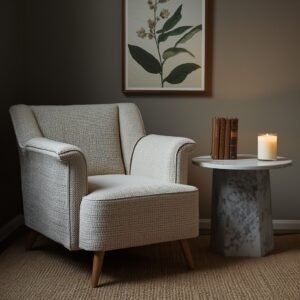
The styling of the nook is where you can have real fun. A boucle accent chair in cream or soft blush feels luxurious without taking up much floor space. Drape a textured throw over the armrest. Stack a few of your favorite books on the side table beside a small plant or candle. Add a small woven rug beneath the chair to anchor the vignette and delineate it from the rest of the room. If the corner has a window, position the chair to face it so natural light falls over your shoulder while reading. Even in a bedroom that measures ten by ten feet, a well-styled reading corner adds a layer of personality that no amount of general bedroom furniture can replicate.
8. Layer Lighting for Depth and Ambiance
Most small bedrooms rely on a single overhead light, which is one of the biggest design mistakes you can make in a compact space. A lone ceiling fixture casts flat, even light that reveals every edge and corner of a small room simultaneously — making it feel exactly as small as it is. Layering multiple light sources at different heights changes the entire feeling of the space. Think of lighting in three tiers: ambient (the overall light), task (for reading or working), and accent (for mood). In a bedroom, this might translate to soft recessed lighting or a pendant above, wall-mounted sconces on either side of the bed, and a small table lamp or LED strip behind the headboard for a warm, glowing backdrop.

Warm-toned bulbs are non-negotiable in a small bedroom. Cool, bright white bulbs are energizing and clinical — the opposite of what a bedroom should feel. Look for bulbs in the 2700K to 3000K range, which emit a soft golden light that makes the room feel cozy and intimate regardless of its actual size. Dimmer switches, where possible, give you complete control over the mood at any time of day. In the evening, a dimmed bedside sconce and the subtle glow of a candle or LED strip can transform even the most modest room into something that feels genuinely luxurious. Lighting is often the invisible difference between a bedroom that feels designed and one that simply functions.
9. Add Personality With a Statement Headboard Wall
In a small bedroom, a statement wall behind the bed is one of the most effective ways to create a focal point that draws the eye and makes the space feel intentional and designed. Rather than letting all four walls compete for attention, anchoring the room to one strong feature wall gives the space visual direction. This could be achieved through wallpaper in a soft textural pattern — think grasscloth, subtle botanical, or a muted geometric — or through a paint treatment like a deep moody tone that contrasts with the remaining lighter walls. The headboard itself becomes part of this statement: an oversized upholstered panel, a rattan headboard, or even a DIY wooden slat wall can all serve this purpose beautifully.

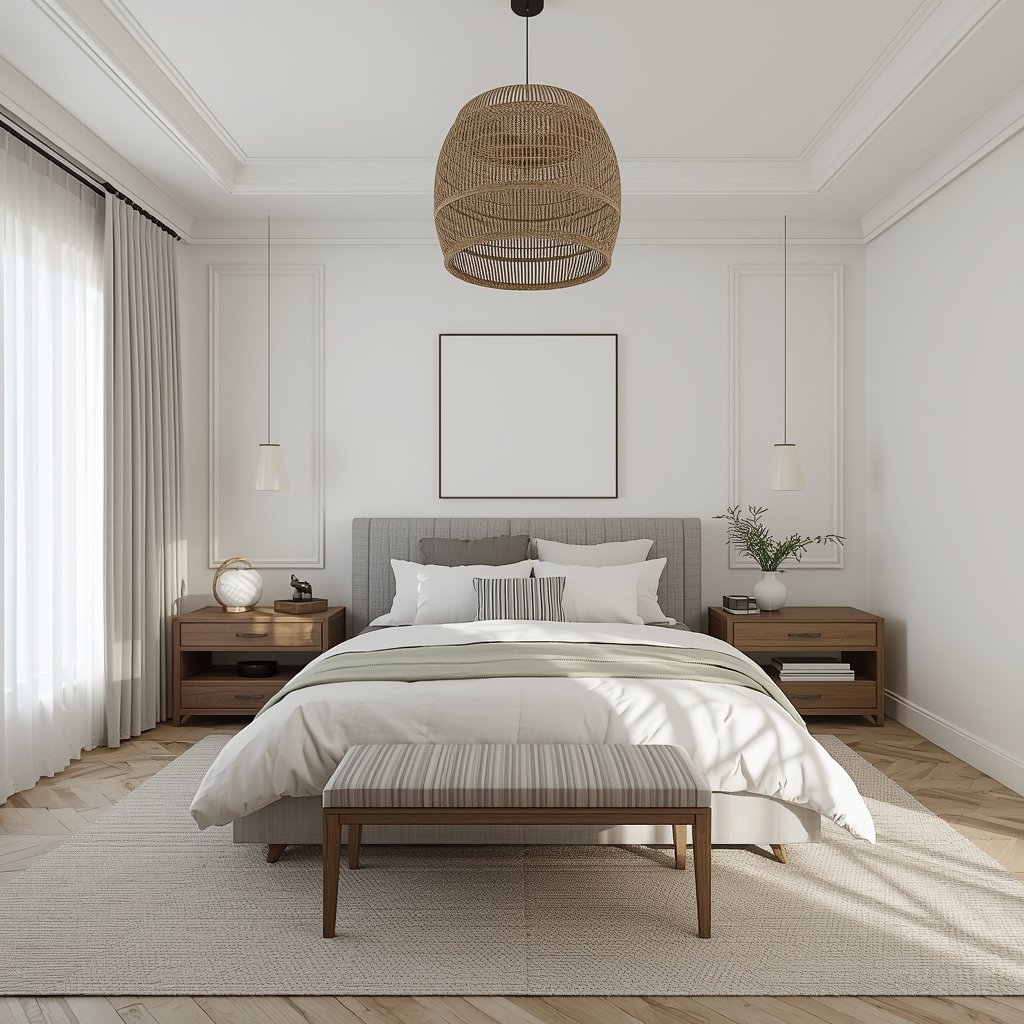
The magic happens when the statement wall is styled as a complete vignette rather than just a background. Frame the headboard with two matching sconces or small pendant lights hung at reading height. Add a single piece of framed art above the bed — keep it proportional, not too small. Layer the bed itself with pillows that echo the tones in the wallpaper or wall color. A plush, textured throw folded at the foot of the bed ties the entire look together. When the rest of the room is kept calm and relatively neutral, this one layered, intentional wall carries the entire design narrative and makes even the smallest bedroom feel like a space that was thoughtfully and lovingly put together.