I spent years playing it safe with all-neutral rooms before finally admitting I actually like color and pattern together, clashing be damned. Once I let go of “matching everything,” our place finally started feeling like us. Here are 10 ways to lean into that same boldness.
Table of Contents
- Layer Bold Patterns With Confidence
- Mix Vintage Furniture Into Maximalist Decor
- Use a Rich, Moody Color Palette
- Gallery Walls as a Maximalist Decor Staple
- Layer Textures for Depth and Warmth
- Statement Lighting Fixtures
- Maximalist Decor With Plants and Greenery
- Mix Metals Without Fear
- Curate Collections That Tell a Story
- Maximalist Decor for Small Spaces
1. Layer Bold Patterns With Confidence
I was terrified of mixing patterns until I realized the trick is just keeping one shared color running through them. Try pairing a floral wallpaper with a geometric rug and a striped throw pillow, all connected through a shared shade like terracotta or navy. This creates visual harmony even when the prints feel wildly different. Don’t be afraid to go big with scale too, since mixing large florals with tiny dots or checks adds depth without feeling chaotic.
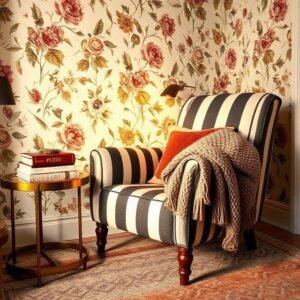
Start small if you’re nervous. Add one patterned cushion, then a patterned lampshade, then build from there. Over time your eye will naturally know when a room feels balanced versus overwhelming. Curtains are another great place to experiment, since they cover large areas and can tie a whole room together. Remember, maximalist decor rewards boldness, so trust your instincts and layer patterns until the space feels genuinely yours.
2. Mix Vintage Furniture Into Maximalist Decor
A carved wooden chair from a flea market sits right next to our modern glass table, and somehow that clash is what I like most about the room. Look for carved wooden chairs, antique mirrors, or a weathered leather armchair at flea markets and thrift stores. These pieces instantly add warmth and story to a room. Pair them with modern accents like a sleek glass side table to keep the space from feeling like a museum.
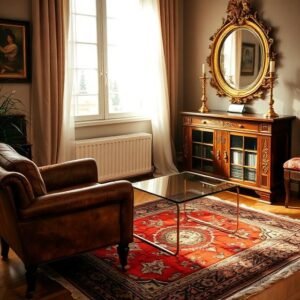
The key is balance between old and new. A grandmother’s china cabinet can sit beautifully next to a contemporary sofa if the colors and textures connect them. Reupholstering an old chair in a bold velvet fabric is also a budget-friendly way to breathe new life into vintage finds. Maximalist decor loves imperfection, so don’t stress over tiny scratches or worn edges. They only add to the charm and authenticity of your space.
3. Use a Rich, Moody Color Palette
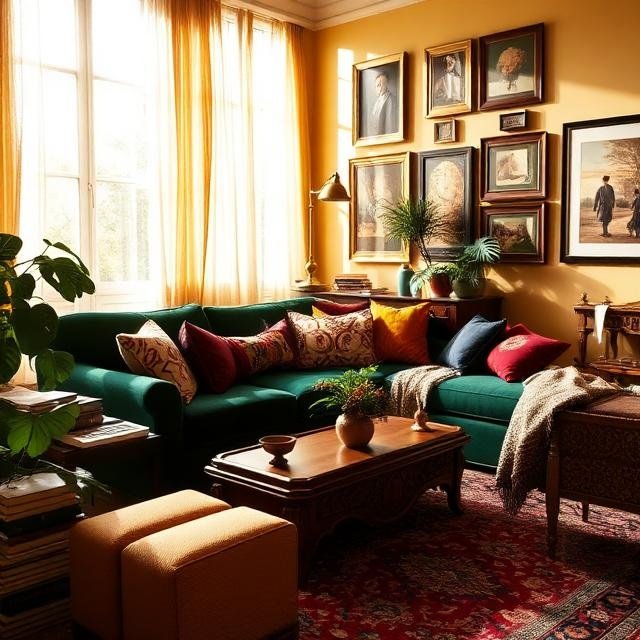
One emerald green wall was the scary first step for us — everything after that felt easy by comparison. Think emerald green, burgundy, mustard yellow, and deep navy blue used together across walls, furniture, and accessories. These shades absorb light beautifully in the evening, making rooms feel warm and intimate rather than dark and gloomy. Painting one wall in a bold color while keeping others neutral is a great starting point if you’re new to this look.
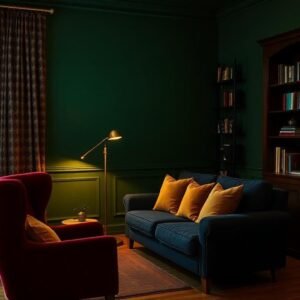
Once you’ve picked your base colors, repeat them throughout the room in different materials. A burgundy velvet sofa, mustard ceramic vases, and navy blue curtains work together because the colors echo each other at different intensities. Adding metallic accents like brass or gold breaks up the richness and adds shine. Maximalist decor color palettes work best when every hue feels intentional rather than random, so keep a mental color map before shopping.
4. Gallery Walls as a Maximalist Decor Staple
Our gallery wall has family photos next to an abstract print next to a tiny mirror, and none of it matches on purpose. Mix frame sizes, styles, and finishes rather than matching everything perfectly. Combine family photos, vintage prints, abstract art, and even small mirrors for variety. The unevenness is exactly what makes it feel curated and collected over time rather than bought in a single set.
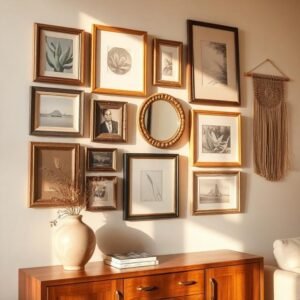
Arrange your pieces on the floor first before hanging anything, so you can play with spacing and balance. Leave small gaps between frames for breathing room, roughly two to three inches works well. Don’t worry about perfect symmetry since maximalist decor celebrates organized chaos. Adding a few sculptural or textured elements like a woven wall hanging between frames keeps the eye moving and adds another layer of visual interest to the whole arrangement.
5. Layer Textures for Depth and Warmth
A velvet sofa with a rough jute rug underneath sounds like it shouldn’t work, but that contrast is exactly the point. A velvet sofa paired with a chunky knit throw and a jute rug creates contrast that feels rich rather than flat. Even walls can carry texture through wallpaper, exposed brick, or wood paneling.
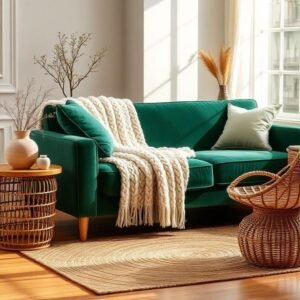
Think about texture at every level of the room, from ceiling to floor. Woven baskets, ceramic vases, and rattan chairs add natural texture, while silk cushions and mirrored trays bring in shine and softness. The goal is to avoid a room that feels one-dimensional. When you run your hand across a space and feel smooth glass, rough wood, and soft fabric all close together, you know your maximalist decor layering is working exactly as it should.
6. Statement Lighting Fixtures
Our chandelier is honestly a little too big for the room, and I’ve decided that’s a feature, not a mistake. A dramatic chandelier, a sculptural floor lamp, or a cluster of pendant lights instantly elevates a room’s personality. Brass and gold finishes work especially well because they add warmth and shine against darker wall colors. Don’t limit yourself to one light source either, since layered lighting creates mood and dimension.

Combine ambient ceiling lights with warm table lamps and accent lighting like wall sconces. This layering allows you to shift the mood from bright and energetic during the day to soft and intimate at night. Choose bulbs with warm color temperatures around 2700K for that cozy glow maximalist spaces are known for. A beautiful lighting fixture is also a great conversation piece, so don’t shy away from something bold and slightly oversized for your room.
7. Maximalist Decor With Plants and Greenery
One corner of our living room has basically become a small jungle, and it’s the calmest spot in an otherwise loud room. Go beyond a single small plant and create a jungle-like corner using varying heights, from tall fiddle leaf figs to trailing pothos on shelves. Group plants in different pots, mixing ceramic, terracotta, and woven baskets for texture variety. This layered plant styling feels lush and intentional rather than sparse.
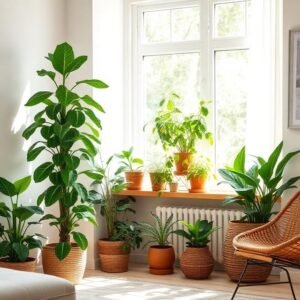
Place larger plants near windows for natural light, and smaller ones on shelves, side tables, or hanging from the ceiling. Greenery also softens sharp furniture lines and adds a calming, organic element to otherwise bold rooms. If you struggle with plant care, faux plants have improved dramatically and can fill the same visual role. Maximalist decor spaces feel most alive when greenery is treated as a design element, not an afterthought.
8. Mix Metals Without Fear
Brass, black iron, and gold all live in our living room together, and nobody’s ever pointed it out as a problem. Combine brass, gold, black iron, and even copper within the same room for a collected, layered look. A brass floor lamp can sit beautifully next to black iron shelving and gold picture frames. The contrast between warm and cool metals adds sophistication and keeps the eye interested.
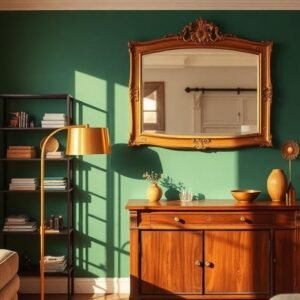
To keep mixed metals feeling cohesive, repeat each metal at least twice in the room. If you introduce brass through a lamp, echo it again in a vase or mirror frame elsewhere. This repetition prevents any single piece from feeling out of place. Mixing metals also pairs beautifully with rich jewel tones, since the shine adds contrast against deep colors like emerald or burgundy, making both elements pop even more.
9. Curate Collections That Tell a Story
Our shelf of mismatched vases from different trips looks intentional now, even though half of them were impulse buys. Group similar items together on shelves or console tables rather than scattering them randomly. A cluster of mismatched vases in similar color tones looks intentional and curated, while the same items spread across a room can feel disjointed.

Rotate your collections seasonally to keep spaces feeling fresh without buying new decor constantly. Books can be stacked horizontally and vertically with small objects placed on top for visual interest. Personal collections also make a home feel deeply authentic, since they reflect your travels, memories, and interests. This storytelling element is what truly separates maximalist decor from simply cluttered spaces, because every object earns its place.
10. Maximalist Decor for Small Spaces
Our first apartment was tiny, and one bold patterned rug did more for the room’s personality than I expected from such a small space. Use vertical space with tall bookshelves and hanging plants to draw the eye upward. Mirrors are especially useful in small maximalist rooms since they reflect light and patterns, making the space feel larger while still packed with personality.
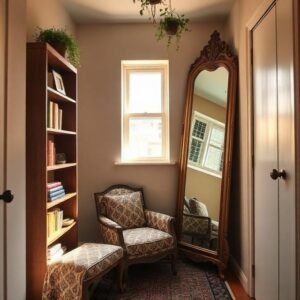
Choose one or two statement pieces rather than filling every corner, since small rooms need breathing room even within a maximalist style. A bold accent chair or a richly patterned rug can anchor the space without overwhelming it. Keep pathways clear and furniture scaled appropriately for the room size. With thoughtful editing, even a small apartment can feel like a rich, layered masterpiece full of color and character.
None of this happened overnight for us — it was one bold choice at a time until the room stopped feeling like a showroom. Start with whichever idea excites you most and let the rest build slowly.